Colours All Around Us


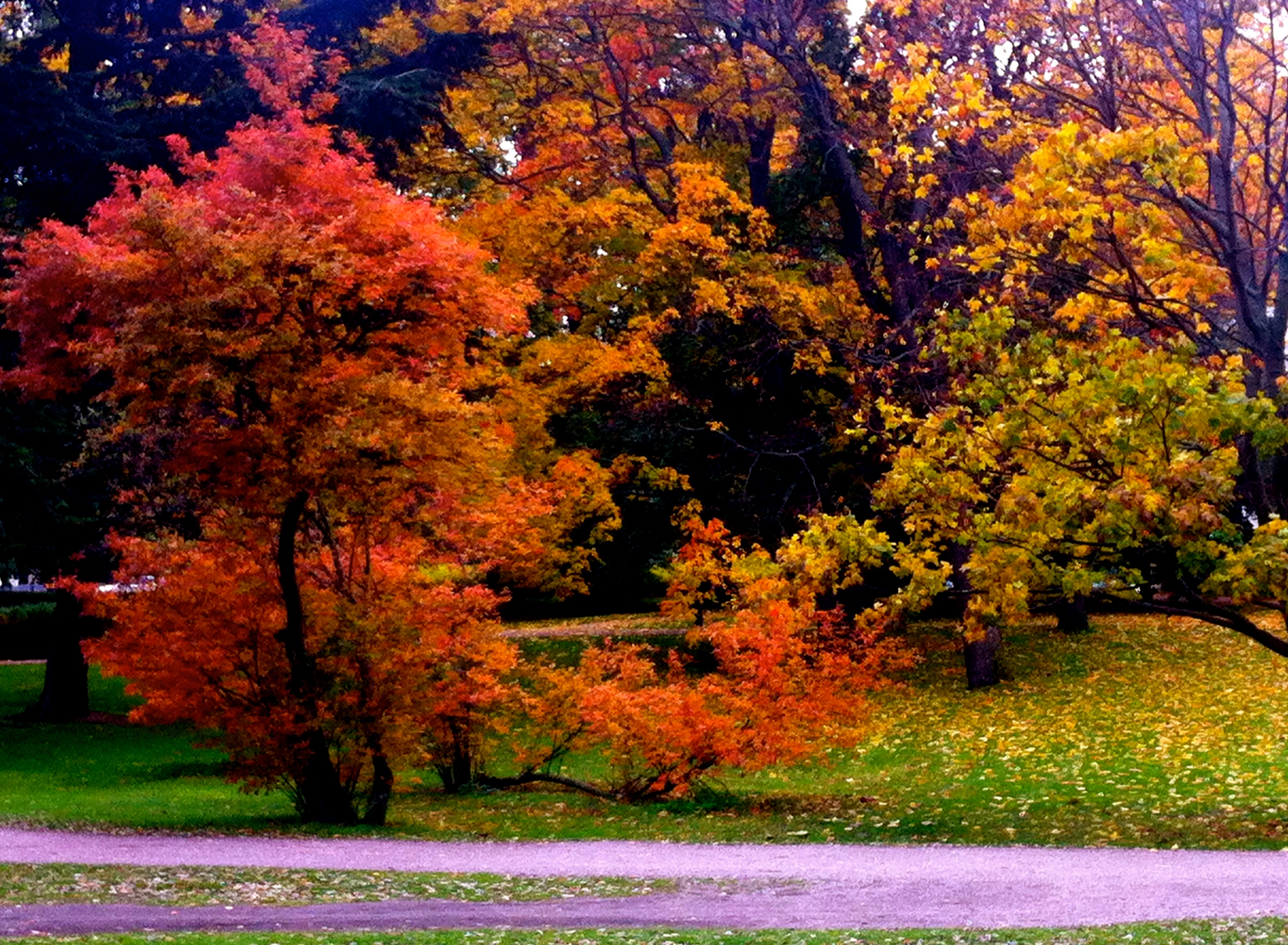
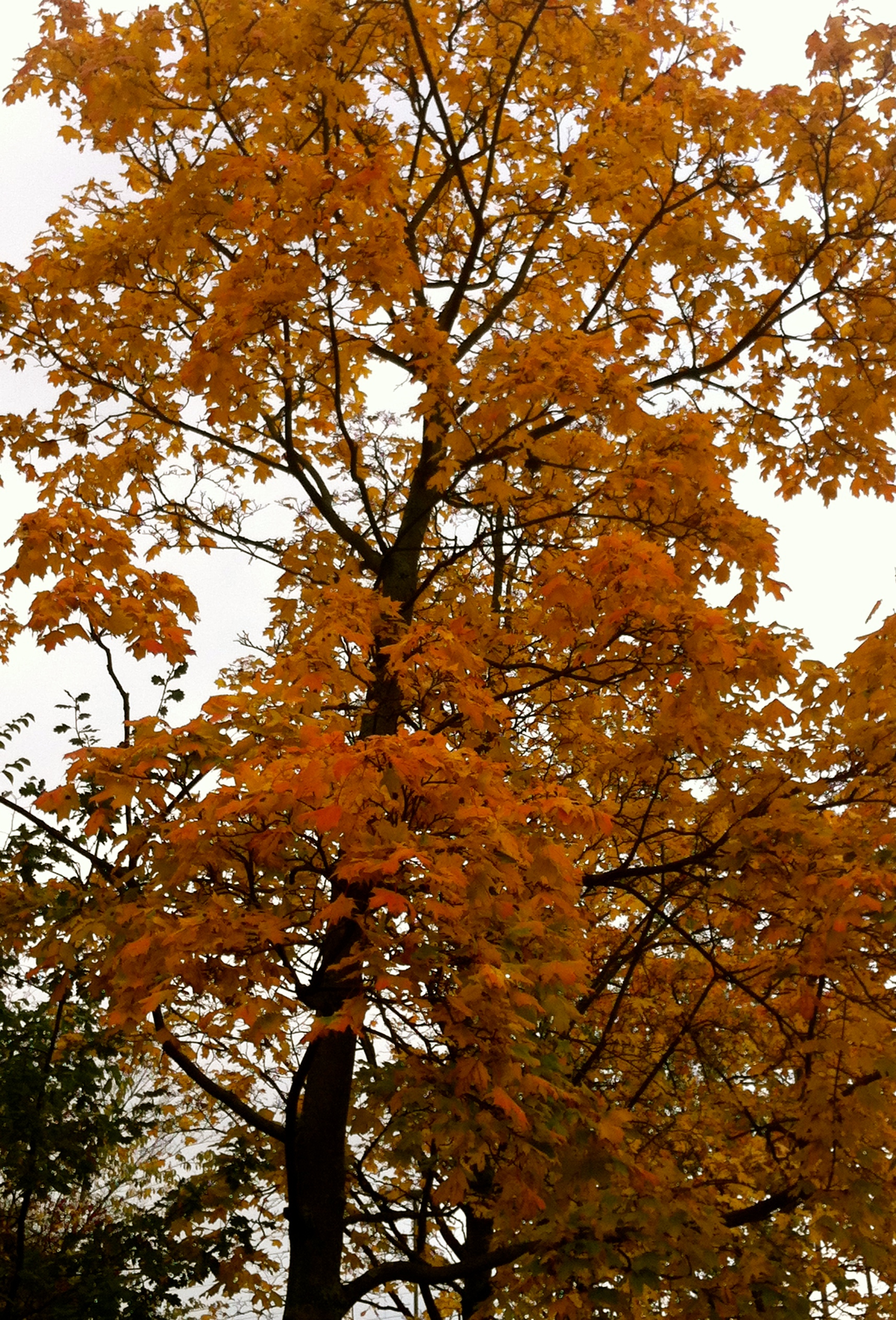
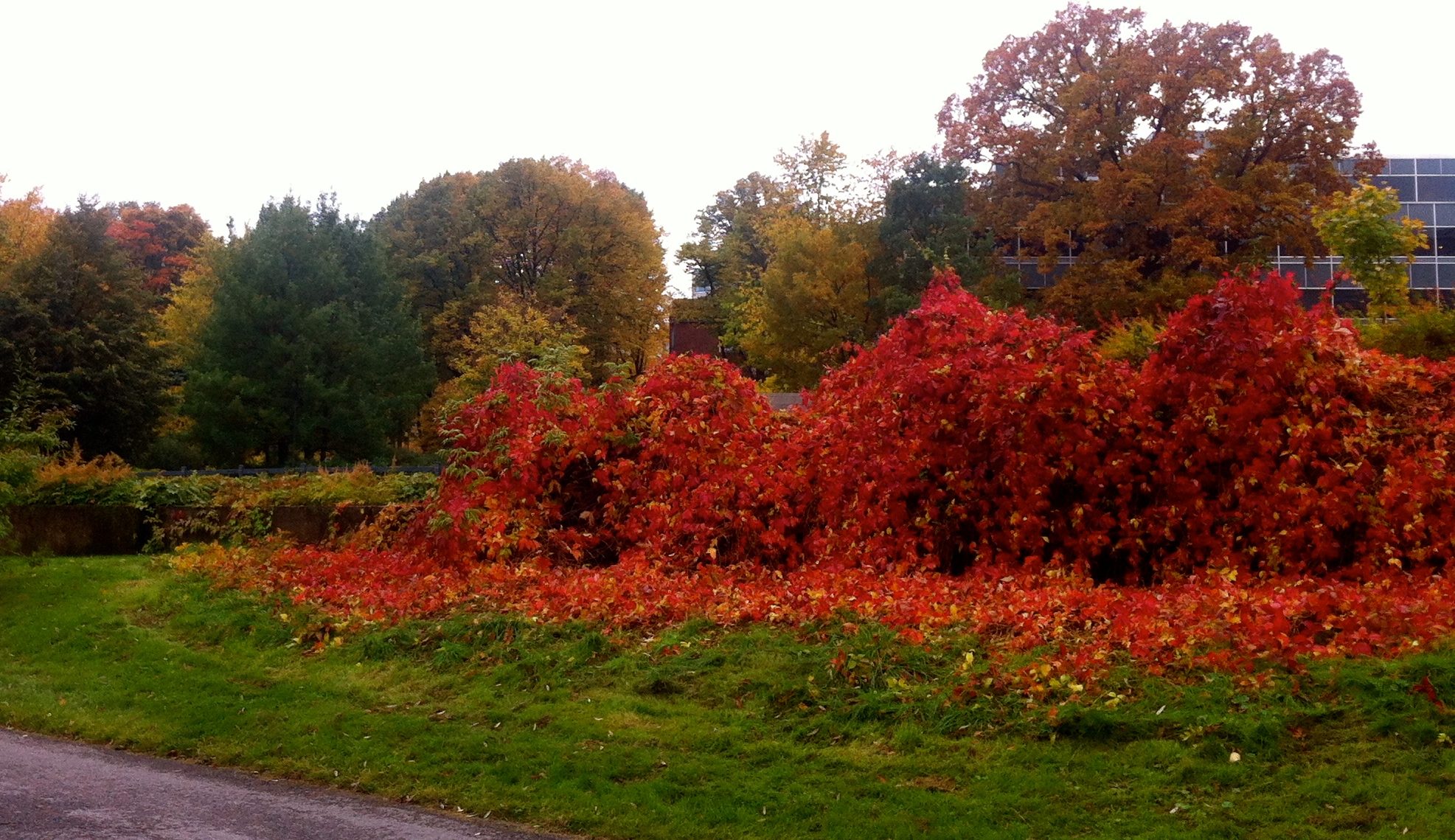
Finland has four very definite seasons and syksy (autumn) has surprised and stunned me with its vibrant colour displays.

IMG_3075

We are very lucky in New Zealand to have a native bush reserve behind our house, but I realise now that it is made up of evergreens, that while beautiful, hardly change colour.

IMG_3071

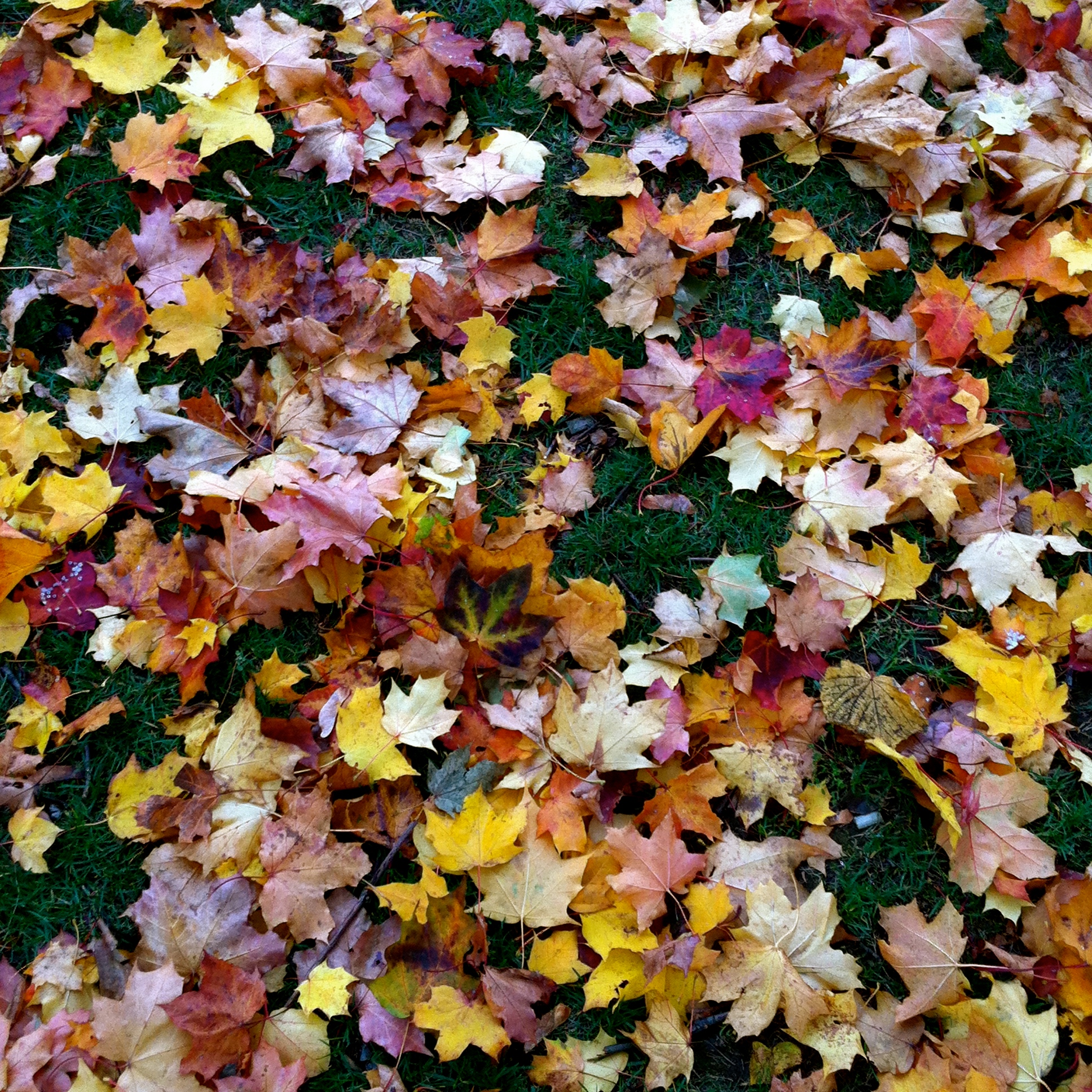
My walk home from Finnish class today was punctuated by trees sporting shades that match all the new words we have recently learnt – punainen (red), vihreä (green), keltainen (yellow), oranssi (orange) and ruskea (brown).

IMG_3044


IMG_3054

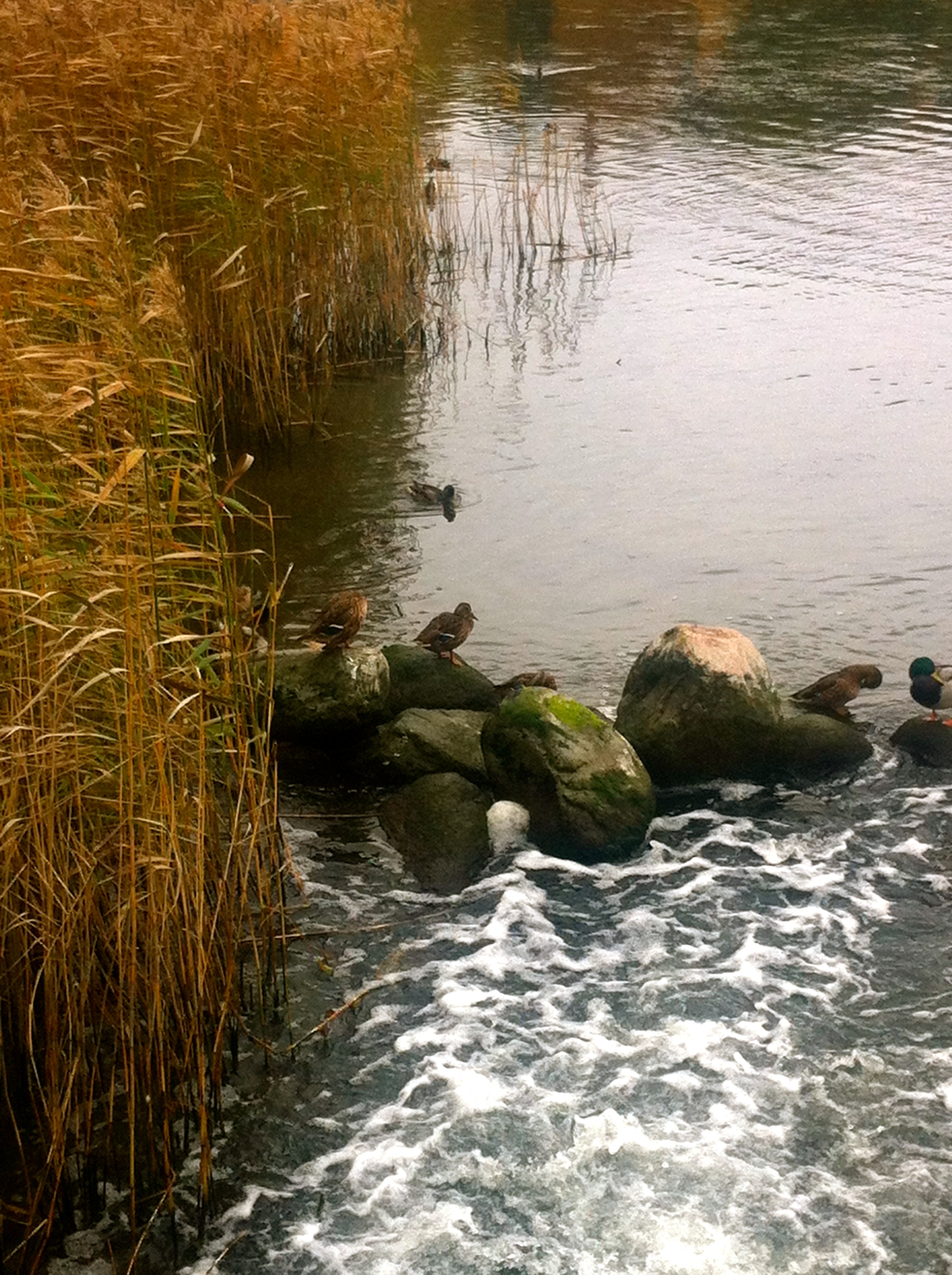
The walk around Töölönlahti is different each day as the trees start to drop the leaves we watched them grow only six months ago.

IMG_3053

IMG_3047

I find the beauty of the city right now is definitely helping me adapt to the cooler weather.

IMG_3069

IMG_3065


IMG_3081

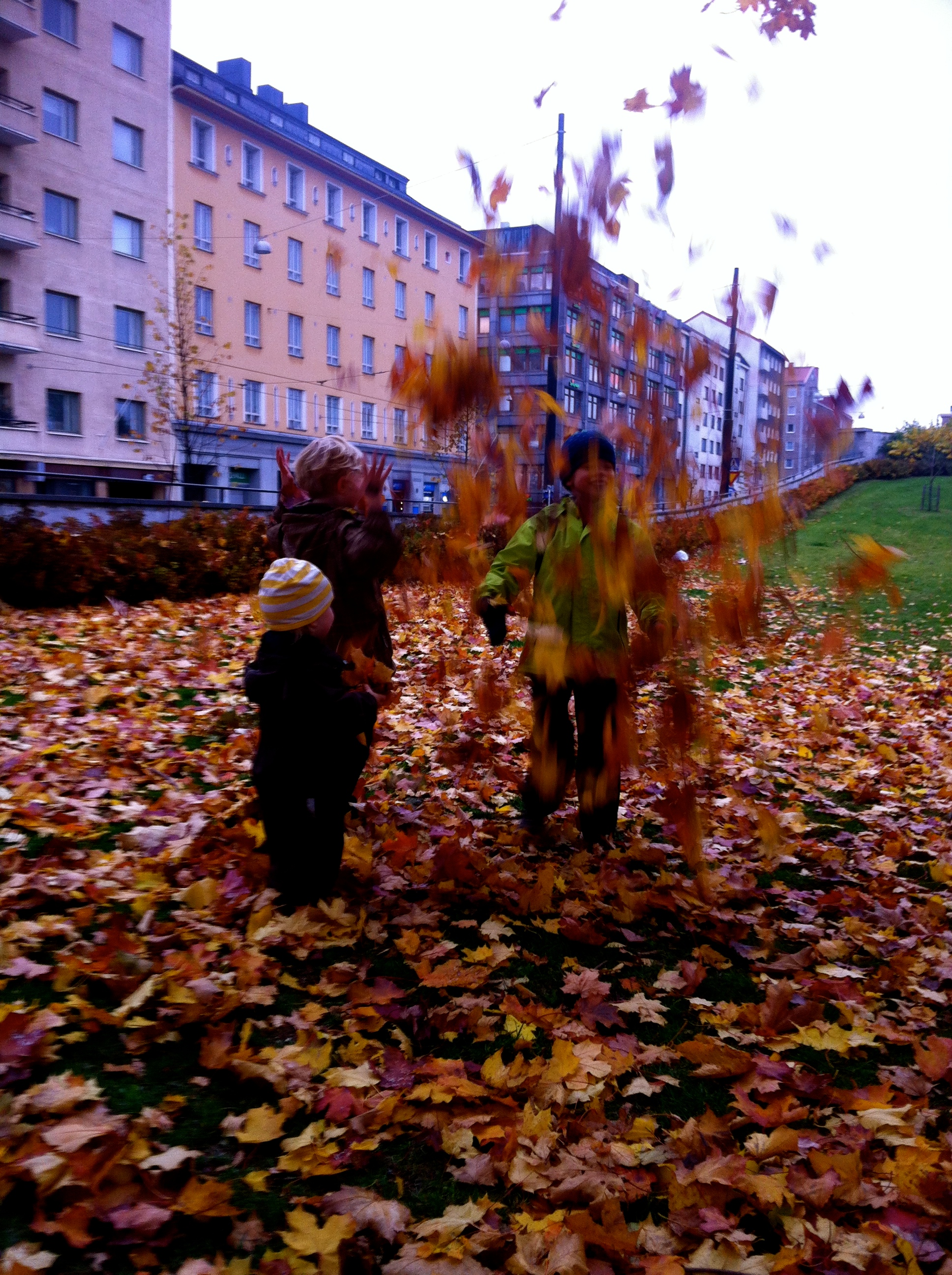
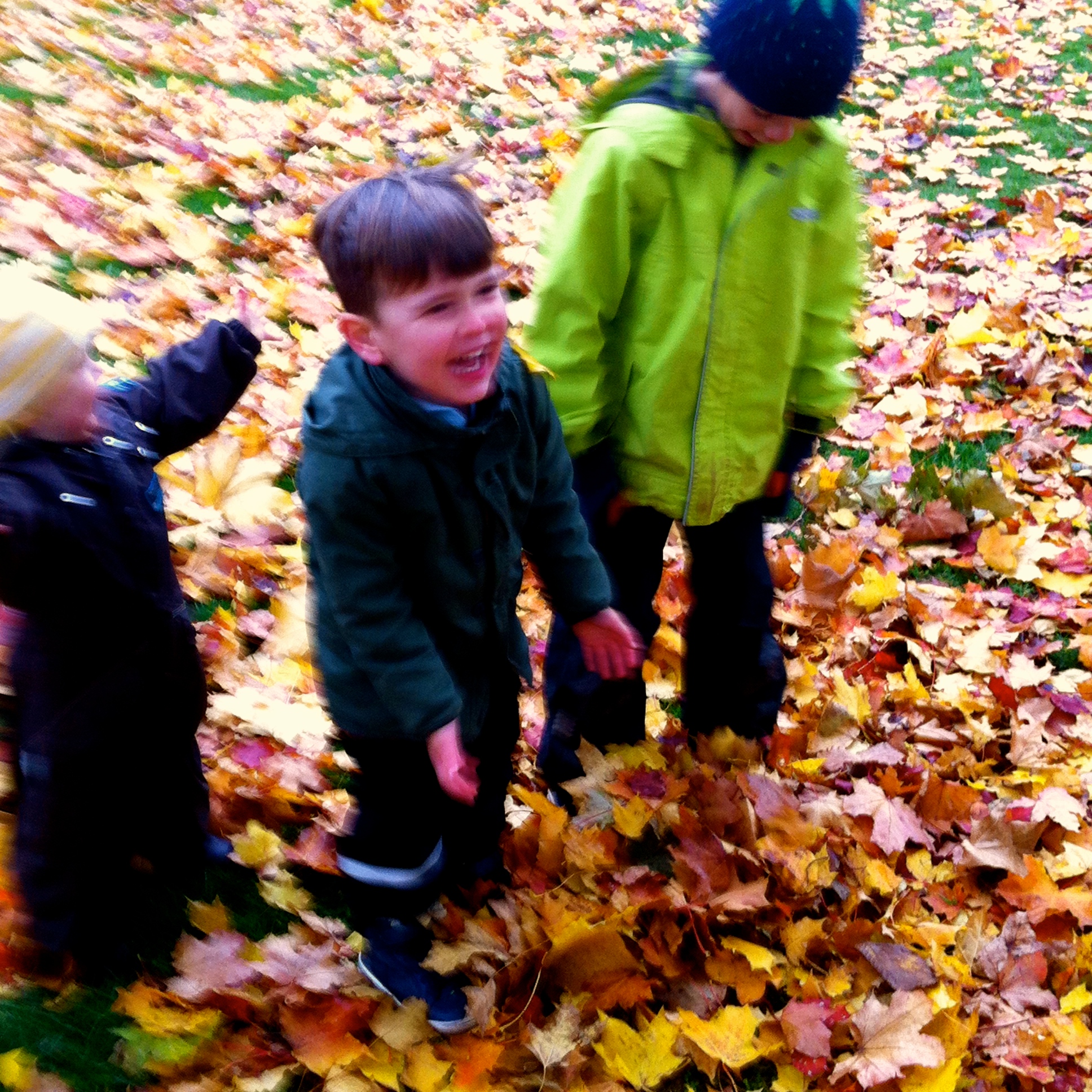
Today was a warm 12 degrees and so Miko and I stayed on after daycare to play with some friends in the leaves.

IMG_3085

IMG_3093

IMG_3098We used to always try to imagine how things will look once they are covered in snow. For now I’m just enjoying how they look painted for autumn.

IMG_3103

Syksy in the Sauna

With syksy (autumn) in full swing, the temperatures in Helsinki are dropping and the wind coming in off the Baltic Sea is more effective at waking you up than any cup of coffee you’ll ever have. Today’s temperature is forecast to be a ‘high’ of 8 degrees, but reportedly feels like 5.

IMG_2911

It has become evident that with autumn days here being as chilly as the coldest days in Auckland, my ‘winter jacket’ is now my ‘autumn jacket’, as the mercury has a long way to drop yet. With no hot springs around and bath tubs very rare, I’ve had to find a new way to really warm up.

IMG_2940

Luckily we have moved to a country where sauna culture reigns supreme. Pronounced sow-na, sauna is one of the very few Finnish words to be incorporated unchanged into the English language. Finland is home to 5.3 million people and 3.3 million saunas and we are lucky enough to have one in our apartment. You could safely say that every home and summer cottage has one and if our apartment didn’t have its own, it is highly likely there would be a communal one downstairs that we could book or use during the allocated times for men and women.

IMG_2926Our sauna measures just over 2m x 1.6m and is so well insulated that even when switched off the temperature sits at just below 30 degrees. It has three levels of seating and can fit 2 or 3 people quite comfortably. It is heated by an electric heater, or kiuas, that takes about 20-30 minutes to reach 80 degrees. On top of the heater sit sauna rocks and amongst them is a little Saunatonttu – or sauna elf we were given as a gift. In Finnish lore he is to be respected and will not tolerate behaviour such as eating, arguing or sleeping in the sauna. There is an old Finnish saying, “saunassa ollaan kuin kirkossa,” – one should behave in the sauna as in church.

IMG_2925Contrary to everything we were taught as children in New Zealand, not only is it okay to throw water on the heater, it is encouraged. The steam that comes off the rocks is called loyly – a word that can be traced back to having a similar meaning to spirit, life or soul. Each sauna’s loyly is unique and it really gets the sauna experience started by instantly raising the temperature in the room.

IMG_2935To enhance circulation we have a long-handled brush that we can scrub ourselves with, or we take turns hitting each other with the vasta – a purpose-made bunch of birch branches bound together and available at all good sauna supply stores. There are sauna specialty shops around the place and the big name stores like Stockmann and Antilla will always have a sauna supply section within the homewares department.

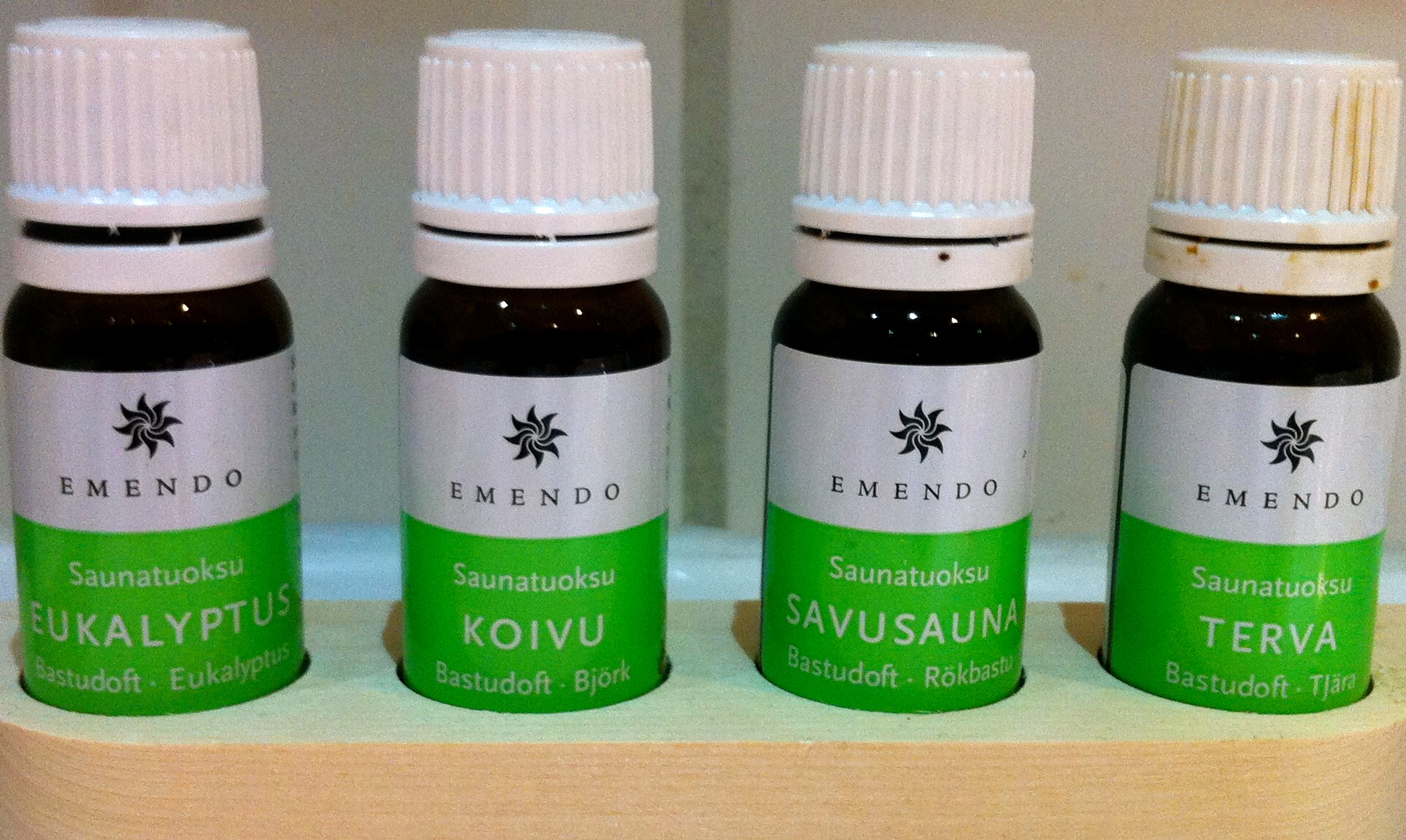
IMG_2945We were also given a range of sauna fragrances, which we add to the water that we throw on the stones. This range includes Eukalyptus (eucalyptus), Koivu (birch), Savusauna (smoke sauna) and Terva (tar). These oils do more than just fragrance the room though – they really add to the cleansing experience and are beneficial in the same way aromatherapy or steam inhalations are. In fact, the sauna used to be where women would give birth and the dead were washed before burial, as it is often the cleanest room in the house.

There is so much more to say about sauna and sauna cutlure here in Finland and with winter approaching I’ll be doing loads of research! The heaters in our building haven’t been turned on yet so if the temperatures keep dropping and the wifi’s good enough I might have to make my next post from there!

Health Benefits of Sauna Fragrances

Finnish Sauna

Why Finland Loves Sauna

Come wash with me

We brought one big rug amongst our household things to Finland and apart from the occasional vacuum it doesn’t get a whole lot of attention. If we are going to have an authentic Finnish experience however, it seems we will have to beat it.

photo 1

A communal rug beater in an apartment block in Lappeenranta

 Most Finnish homes are not carpeted and instead are furnished with a few rugs of various sizes. Effective heating removes the need for carpet and there seems to be a commonly held belief that carpets are unhygienic.

IMG_1723

 So outside most apartment buildings and homes you will find a structure for hanging rugs while you beat them. This seems to be something of a summer ritual, however I have read accounts of people laying rugs out in the snow to harden them up before beating them.

IMG_1724

 Traditionally, washing rugs has been something of an event down by the lakes and waterways of Finland. Many places still have large areas set up solely for this purpose.

IMG_1730

 As people have started introducing chemical detergents into their washing routines the effect on waterways has been considered and water is now often diverted away from the main outlets. People are also encouraged to use natural products.

IMG_1725

Although there was only one man out the day we walked past this area, the laundering of rugs can be quite a social event, with many tubs set up for washing and soaking. There is also a large wringer used to help speed up drying.

IMG_1729 And what better way to relax and enjoy the summer sun than to take a dip yourself while your rug dries? (In the lake that is, not the tubs).

A Day in the Life

Miko is now at his second Finnish daycare (not expelled, just moved house) and based on our short time here there are a few things I’ve noticed that are quite different to New Zealand daycare.
IMG_0943

Daycares are in high-rise buildings
Miko’s first daycare was on the fourth floor of a large modern building and his new one is five floors up in a building that is probably 100 years old. Each daycare has a playground nearby they head out to each day, where they store outdoor toys in large, lockable boxes.

They go out in all weather
Rain or shine, Finnish children play outdoor every day. I believe the cut-off point is when the temperature drops below -20. Miko’s daycare recently headed out to the zoo on a drizzly day with a high of 10 degrees celcius. The only times they won’t go out is if there is thunder and lightening. If it’s raining, the kids just put rubber pants and jackets on over their clothes and jump about in all the puddles.
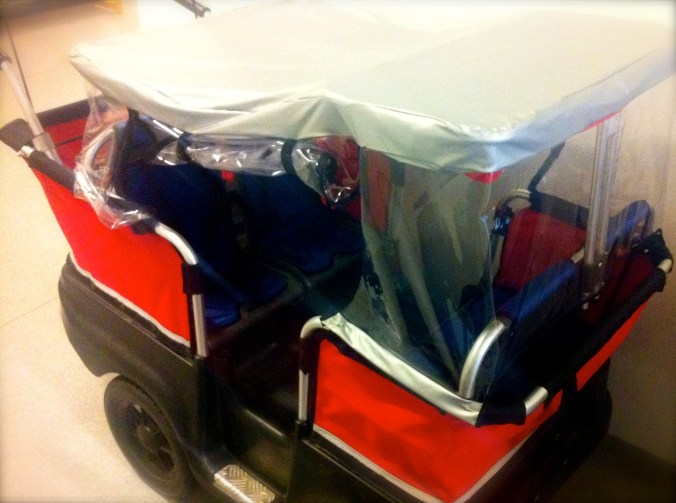
Carts like this are used to transport smaller children to the playground

Carts like this are used to transport smaller children to the playground

More outfit changes than Beyonce 
Because of the all-weather outdoor play, I have had to buy Miko quite a few new clothes. He heads out in regular clothes plus over-pants for the dusty playground. In his backpack he has: sunhat, warm hat, gumboots, rubber overalls, rubber jacket, gloves, and a change of clothes for inside. And we’ve yet to hit winter!

Opposite of NZ
In NZ it’s not unusual to play outside in bare feet. And at daycare we would always wear shoes inside. Here, shoes are always worn outside and removed indoors. This goes for all visitors to daycare too. So once inside, Miko changes into his slippers. Even Jonathan wears slippers at work and it’s not unusual to see a rack of slippers in many Helsinki offices.

IMG_1131

Meals are provided
Lunch is provided in daycare and every day, right up to the last year at school. It might be made in-house or delivered by a company. Regular menu items include: soup and rye bread, lasagne, fish bake and peas, sausages and rice. For kids like Miko, vegetarian options are also provided. Miko is not yet three and expected to serve himself, scrape his plate and stack his dirty dishes. He also pours himself a glass of milk or water from the drinks stand.

Amazingly, lunch is still provided for children through-out the holidays in city parks. You just turn up at the city playgrounds on the right days, bring your plate and spoon and line up for your meal.  There’s no stigma attached, the lunches are part of life and for all children. It’s like a modern day Oliver Twist – we went to a playground one day and there must have been 100 kids and parents lining up for lunch.

And for dessert…
After lunch at daycare, all the children help themselves to a piece of chewing gum from a large dispenser. Finland is very proud of xylitol you know! Not only did they discover its benefits for dental health, but also that chewing can reduce middle-ear infections in young children. I love all the self-reliance Miko is being taught but honestly, if he’s being cheeky, there’s nothing more annoying than being spoken back to by a three-year old chewing gum!

IMG_1843

What is your Finnish name?

Miko. So exotic in New Zealand. So common in Finland. Well, Mika and Mikko are common boys names, so people are often surprised and ask why he has a Finnish name.

As for our surname…D’s and W are not common so when asked, it sounds like we are saying ‘wah-wah’ and we get some momentary blank looks. I’ve been asked a couple of times to write my name down and circle which is the first name and which is the last.

The Finnish Alphabet

The Finnish Alphabet

Surnames only became compulsory in Finland in 1921. Prior to that people would often take a name associated with the area or farm in which they lived. Because the farm might be home to workers who were unrelated, the surname didn’t necessarily mean people were family.

Later, some families took Swedish surnames to reflect the status held by those of the upper and middle classes. Those in the armed forces were given names, whether they wanted them or not. Having a Swedish surname then does not necessarily mean a family speaks Swedish.

Finland - a great place for name inspiration

Lappeenranta, Finland – a great place for name inspiration

As the political climate changed, people began to drop Swedish names, or translate them back into Finnish. Surnames to do with nature became common, especially those ending in merio (sea) and niemi (peninsula). Other common names include  Laine (wave), Vainio (field), Nurmi (grassland), and Salo (grove).

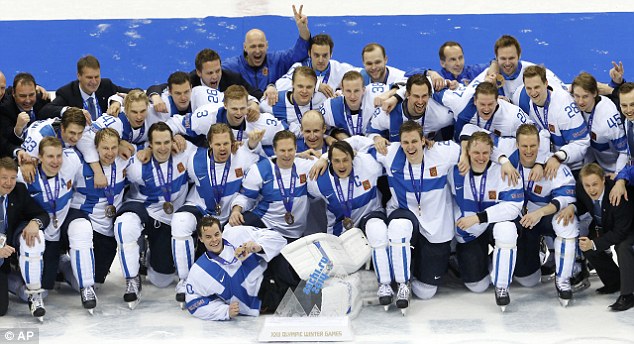
Common endings are -nen (small), and -la / lä  (place of). By 1985,  38% of Finns had a -nen name and  13%  had a compound word name, eg/ Kivimäki (stone hill) or Rautakoski (iron rapids).

The Finnish Ice Hockey Team 2014 Olympics - 11 / 25 have a name ending in -nen

The Finnish Ice Hockey Team 2014 Olympics – 11  out of 25 have a name ending in -nen

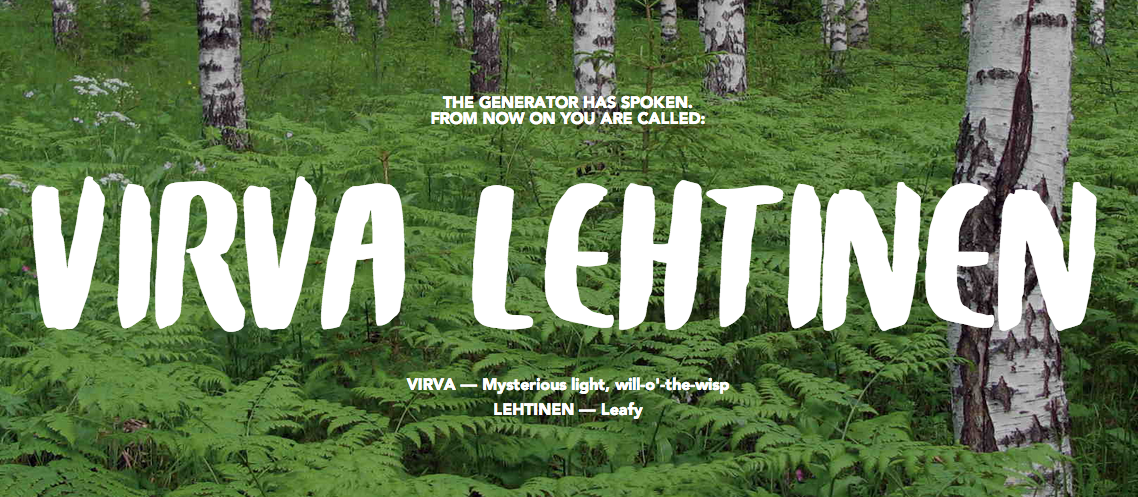
So there’s a Finnish name generator where you can enter your given name and magically be given a Finnish one. I’d LOVE to know what yours is (if you don’t already have one!) , so give it a go and let me know. I’ve tried it a few times and get the same answer every time.

And if you do have a Finnish name, I’d love to know what it translates to in english!

So, this is Virva Lehtinen (my new Finnish name) signing off.

Screen Shot 2014-08-16 at 10.40.39 am

Finnish Name Generator

Most Popular Finnish Baby Names

Salty Flowers and Sea Berries

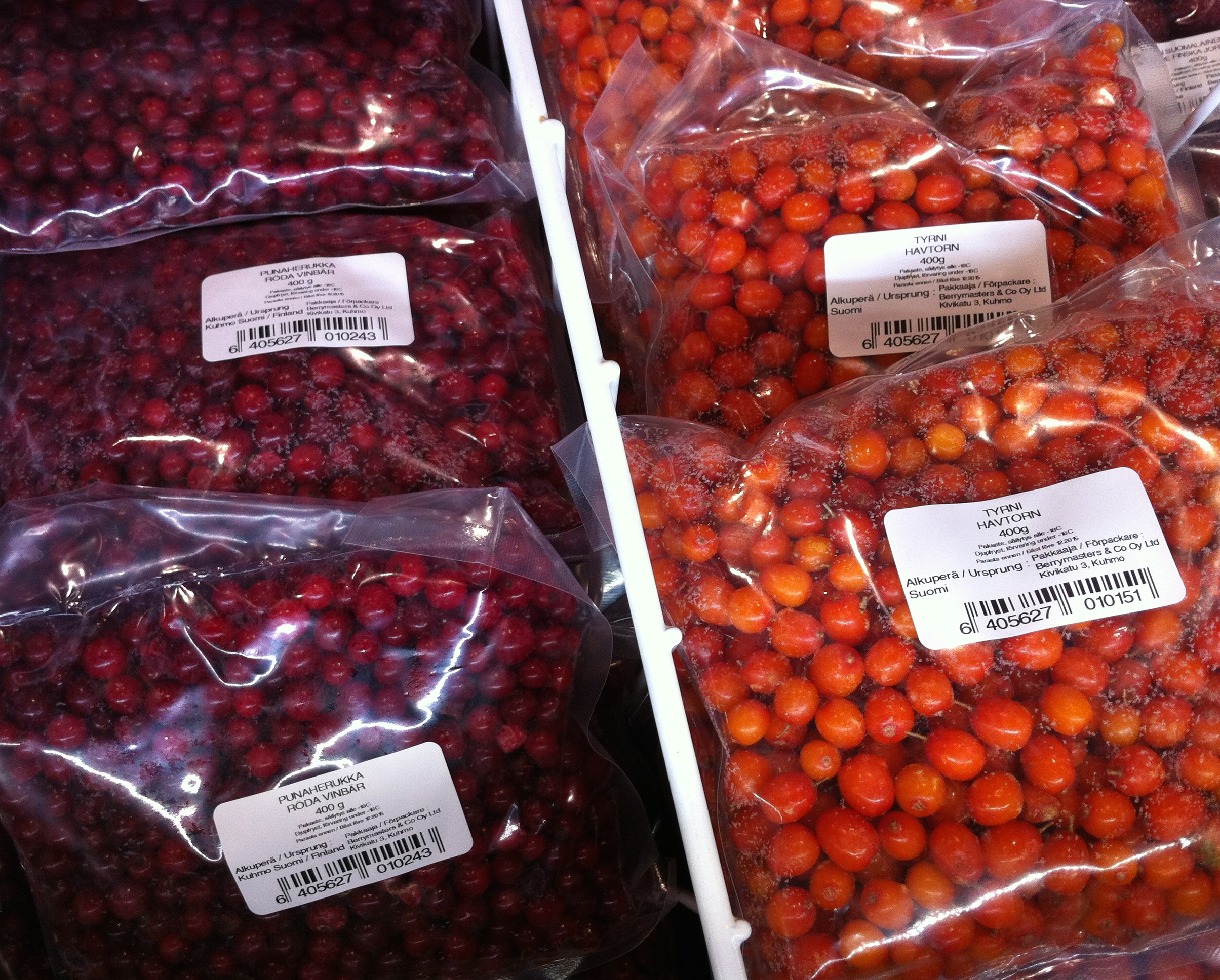
Sea Buckthorn: I’d only ever seen it in hand cream before moving to Finland. Popular here, the berries are like corn kernels that pop in your mouth with a sour surprise. High in Vitamin C, the juice is popular and with omega 3, 6, 9, and 7 they are good for treating burns. And, it turns out, they do not grow in the sea as I thought.

IMG_1360

Lingonberries are also common here and particularly popular over in Sweden. We knew of these from Ikea in Sydney where they sell lingonberry jam. High in Vitamins A, B and C the berries are also an essential part of the diet for bears and foxes.
IMG_1363

Lucky for us, Finns love their condiments and stock more flavours of HP sauce than I’ve ever seen. Sinappi is mustard and is often sold in tubes. The flavours below (in Swedish) are mild, fiery (eldig) and strong (stark).

IMG_1358

Karelian pies (karjalan piirakka) come, obviously, from the region of Karelia, and are sold everywhere. You can buy them in the frozen section of the supermarket and in most bakeries. I thought they were covered in cheese and garlic but unfortunately they are actually really plain and more of a vehicle for other toppings. Made from a thin rye base and a filling of rice, it is common to eat them with boiled egg mixed with butter or a slice of cheese and gherkin.

IMG_1064

Karelian pies (left)

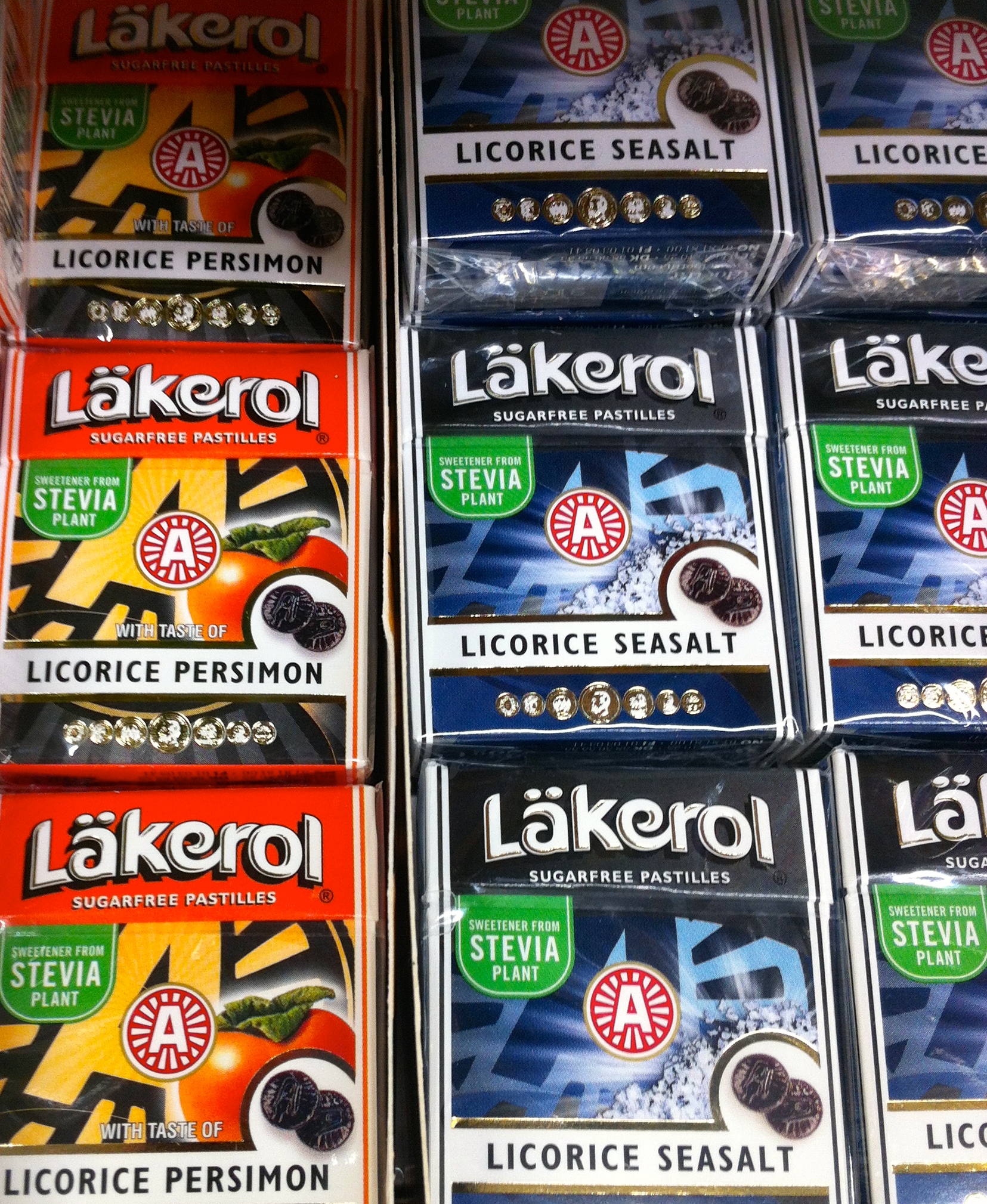
There’s a huge sweets section at our supermarket. Läkerol is a Swedish brand of pastilles, founded in 1909. The name “Läkerol” comes from the Swedish word läka, which means heal. They come in many flavours, depending where they are sold, such as smoked liquorice, peach tea and chicken tikka masala.

IMG_1365

Salvi apparently comes from salmiak (salty liquorice) and violets. So basically, salty flowers. It is an acquired taste and one I won’t be reaching for, but it’s good to know that if we are missing home they also come in Kiwi Passion.

IMG_1366

Sea Buckthorn

Lingonberries

Karelian pies

Läkerol

Is homesickness a disease?

I’m no stranger to moving. By the age of 11 I had lived in four different towns around New Zealand. But a week after moving to Helsinki I started to feel pretty low and it got me thinking: Is homesickness a dis-ease?

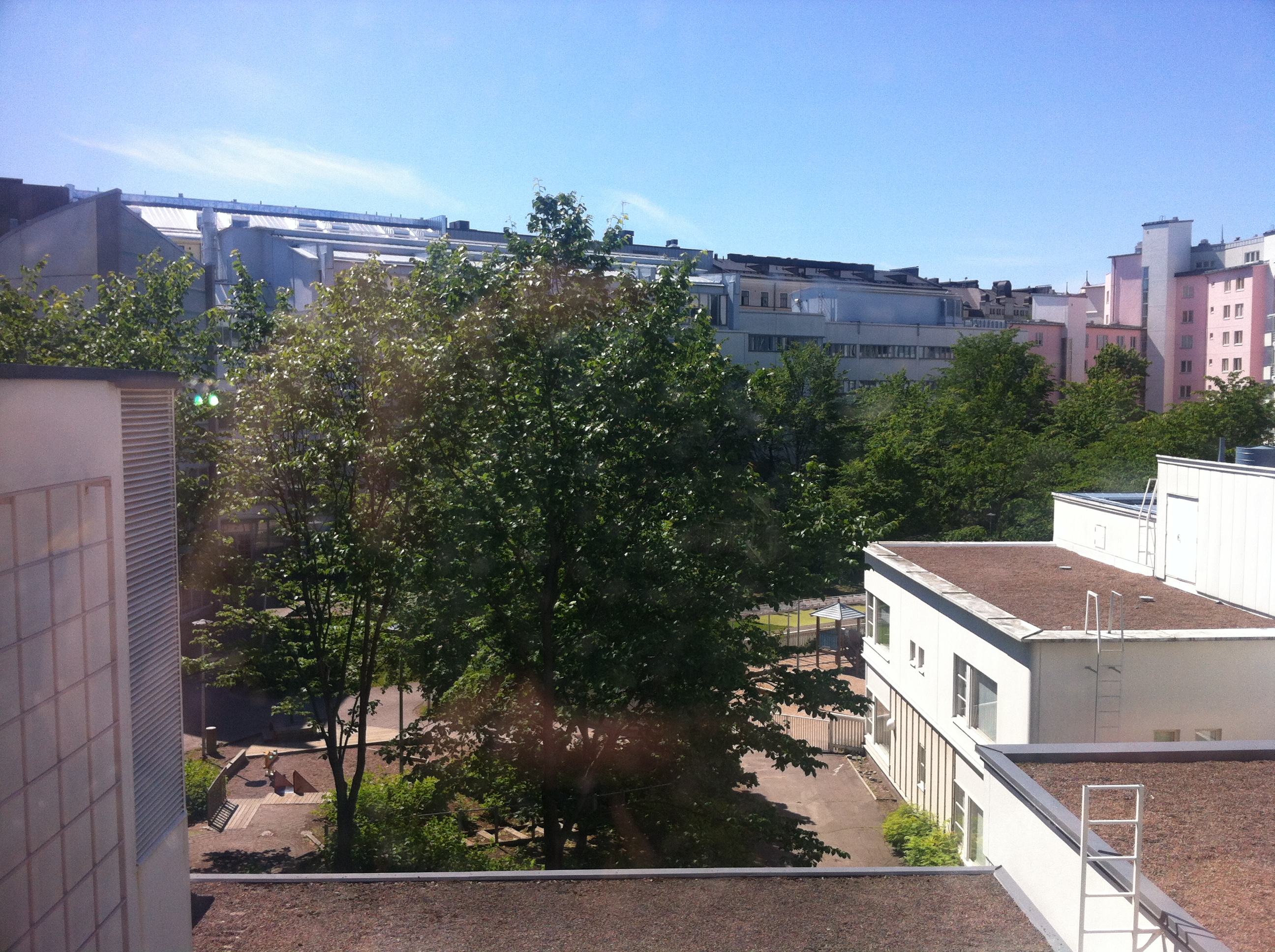
Helsinki view

View from our lounge at our temporary accommodation in Helsinki

Things didn’t feel difficult, they just didn’t feel very easy. And it’s not that I felt un-easy here – but I missed the sense of ease that comes with being in a familiar place and knowing all the social norms and expectations. I felt temporarily in a state of dis-ease.

View from our lounge in New Zealand

View from our lounge in New Zealand

Everyone speaks English here but often the signs are all in Finnish or Swedish, so until I could ask someone I was looking around for social cues as to what was expected of me. Where do I queue? Do I take a ticket? What does that very important-looking sign with the picture of the stroller say? Park here? Don’t park here? Is everyone wondering why I’m doing the opposite? 

I used to watch people to see if we were expected to park our strollers under here or was it just an option?

These structures are common at playgrounds & I used to watch people to see if we were expected to park our strollers here or was it just an option?

But don’t feel sorry for me! I feel much better now and am genuinely enjoying the experience and am grateful to be here. Those challenges now feel character building, rather than overwhelming. Of course I still miss family and friends but that’s different than really pining to be back home again.

Helsinki signage

Helsinki skyline

One thing that makes a big difference when you are new somewhere is the kindness of strangers. The chance to have a conversation or some banter in the street takes on a whole new meaning when it may be the only interaction you have that day. I’m so grateful for the support I have received from home and also that of people I hardly know here.

My sister-in-law checking in on me (I do know her), her sister-in-law checking in on me, people I’ve never met who have agreed to meet up because a mutual friend has asked them to, even when they haven’t seen that mutual friend for a very long time! The woman I met in a playground who gave me her number and invited us to her daughter’s birthday party.

Auckland skyline Photo credit: Stephen Murphy, 2007

Auckland skyline Photo credit: Stephen Murphy, 2007

These interactions and acts of kindness mean so much when you’re new in a city. Sometimes they turn into lifelong friendships and sometimes they don’t. And that’s okay, but they give me the courage to keep going and talk to the next person I meet and feel better about how life is going here.

I’d really like to ask you: is there someone you know who is new to your town that you’ve been meaning to have a coffee with, may have even suggested it to them, but have not followed up on? It might only be an hour out of your time, or just ten minutes to ask ‘How are things going?’ but don’t underestimate the difference you can make in someone’s life as they begin to find their place in their new home.


A Bear in our Supermarket

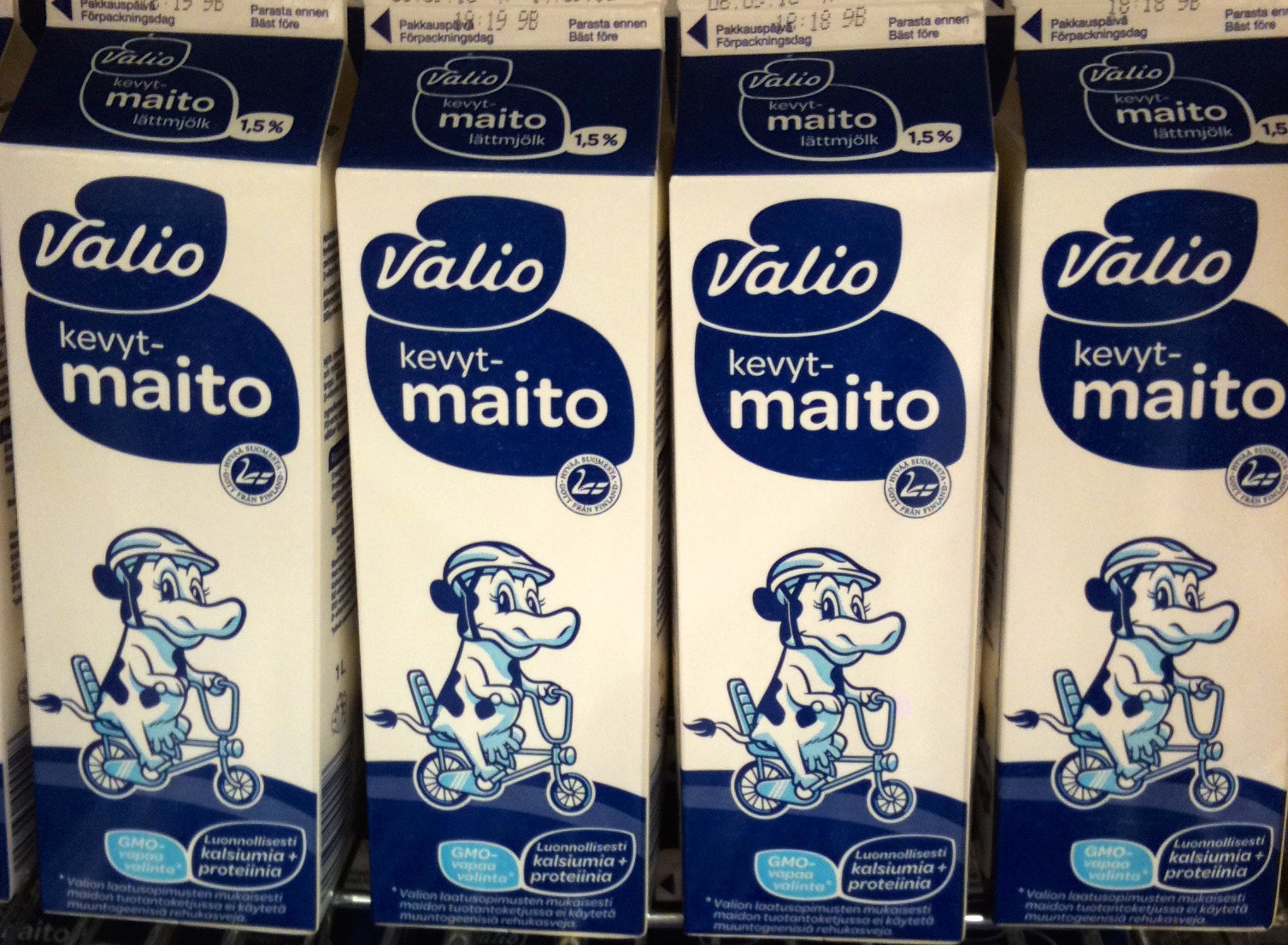
I’m often asked about Finnish food and what we are enjoying the most. It feels a bit unpatriotic to say but we are really enjoying the dairy products here. There’s a huge selection of milk, cheeses, yoghurts and butter including lactose-free for the estimated 17% of Finns who are lactose-intolerant.

IMG_0023

The milk we buy

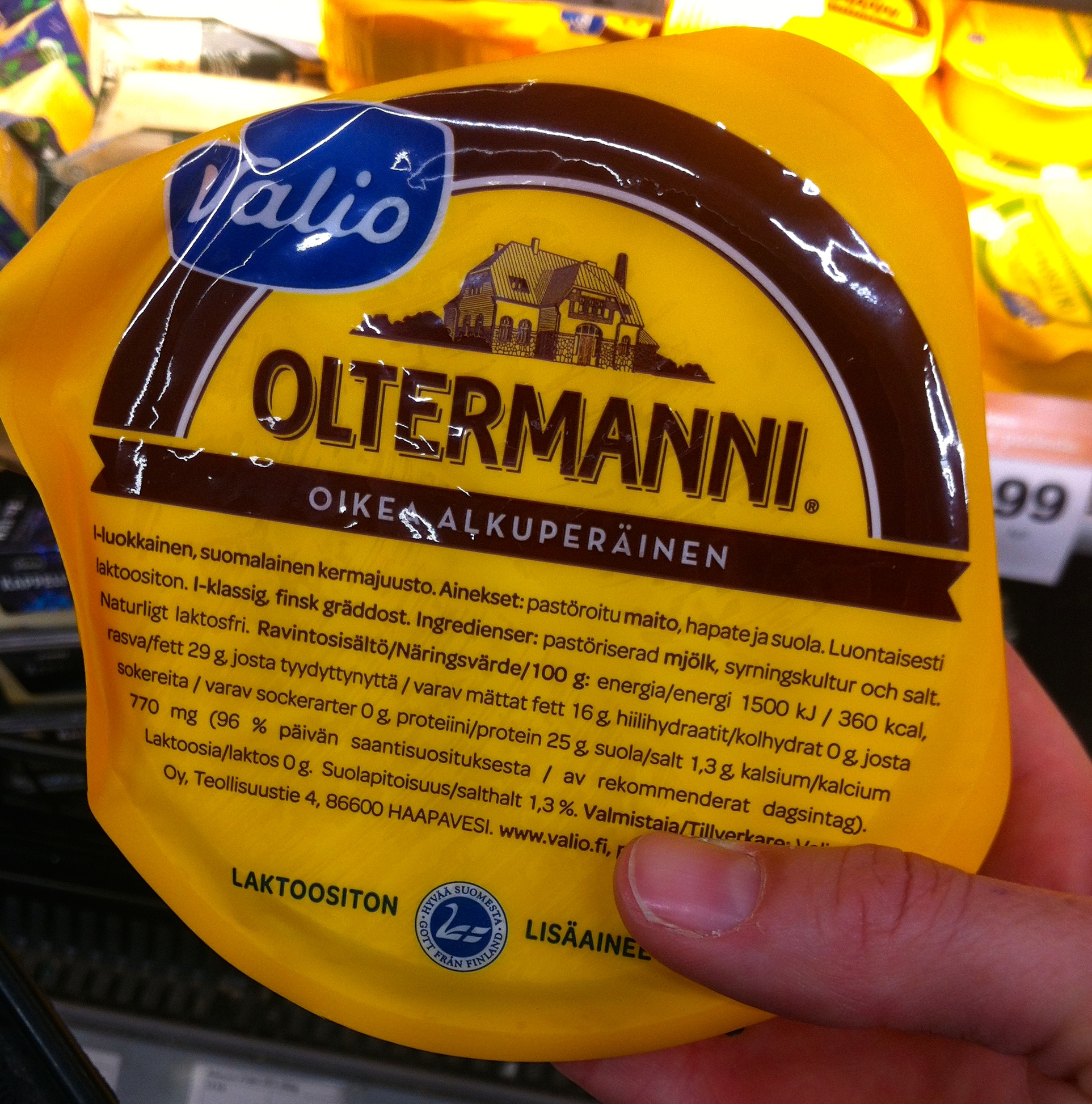
Valio is the main dairy producer here and one cheese they make is Oltermanni. It’s a yellow semi-soft cheese, a bit like Havarti. According to a book we have all about cheese (we do love it) they produce the cleanest milk in the EU thanks to the ‘crystal clear water and freedom from industrial pollution.’

IMG_1107

There’s also a strong emphasis on eating seasonal produce. It’s Chanterelle season at the moment and these small golden mushrooms  are very high in Vitamin D,  important for well-being during the Nordic winter. If you’re not out picking your own, the best place to buy them is at the market stalls around the city, especially down at Market Square.

IMG_1222

Chanterelle, portobello & field mushroom medley

The bread section in our local supermarket is split into two areas: Vaaleaa Leipää (light bread) and Tummaa Leipää (dark bread). I’m a new convert to rye bread and my favourite lunch is smoked salmon sandwiches with boiled egg on rye, from the deli.

IMG_1057

Most mornings I have a poached egg on rye toast with a gherkin on the side. It’s not as crazy as it sounds as the pickles we buy aren’t such an assault on the tastebuds as some that are sold in a jar. They have no colour added and are more like a dill pickle from the States.  We buy them from a big barrel at the supermarket where you can choose from plain or garlic.

IMG_0036

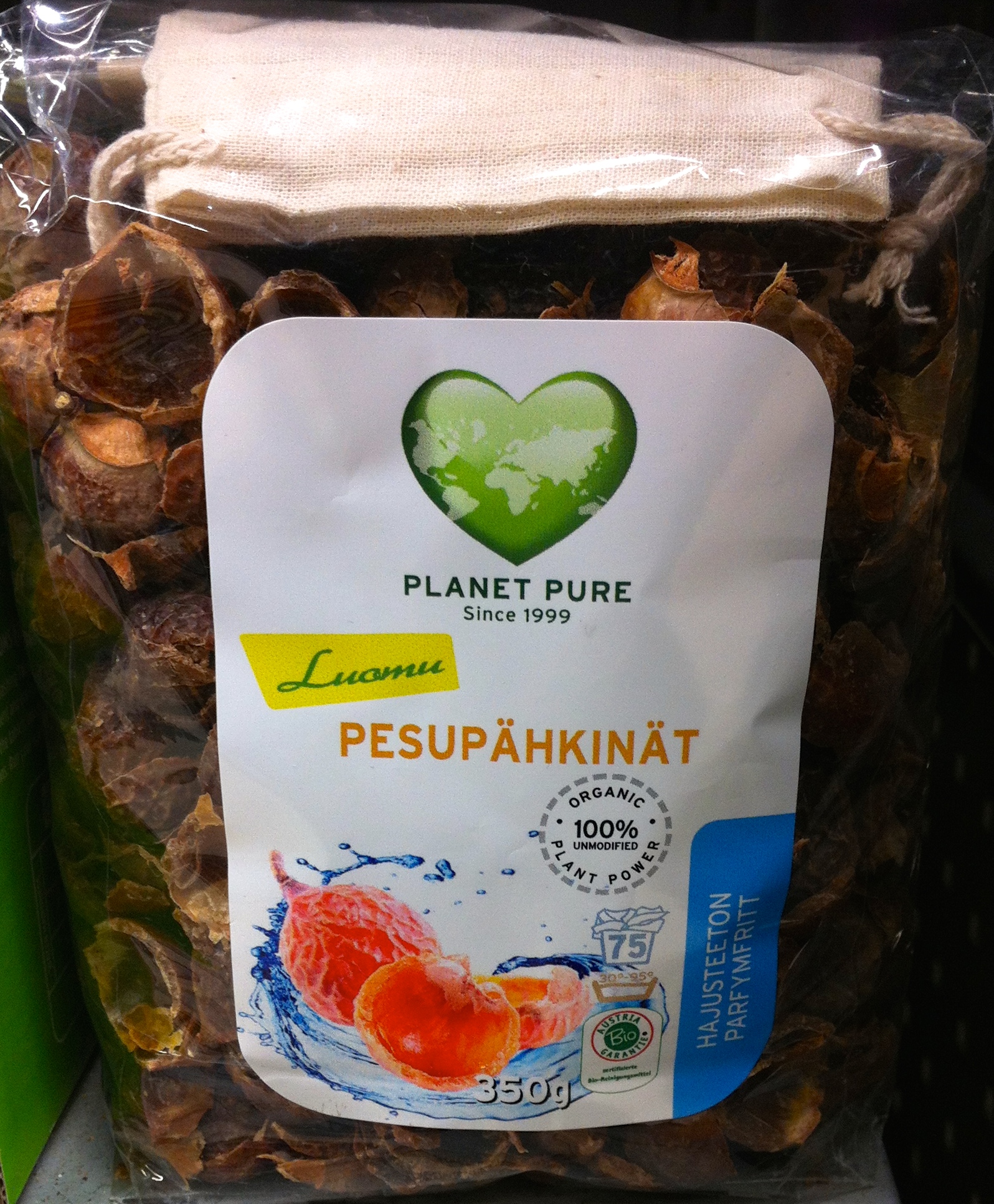
Something that I hadn’t seen before was soap nuts. Part of the lychee family, the fruit pulp is used to make soap and the shells can be used in the washing machine in place of detergent. They are meant to be great for people with allergies or very sensitive skin. They’re not actually a Finnish thing and have been used in India for years.

Soap nuts in the laundry section

Soap nuts in the laundry section

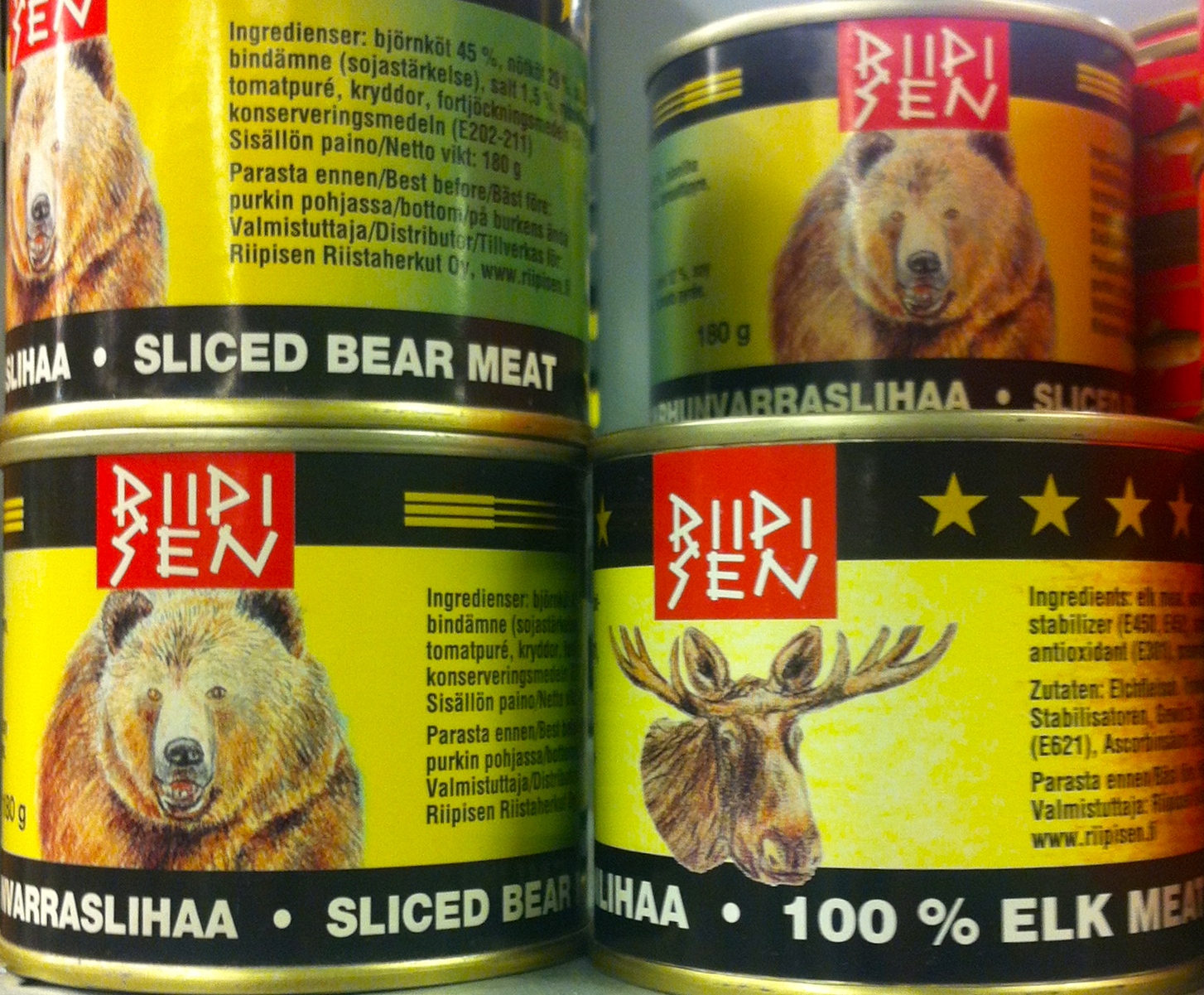
We’ve been fascinated by the bear meat sold in a can. Apparently bears that have a diet higher in berries than fish provide a sweeter tasting meat. Bears are protected animals and hunting quotas are set, although these are adjusted to remove bears from reindeer-herding areas.

IMG_0303

Which is kind of ironic because some reindeer end up in a can too! I’ll just have a side of cheese with my pickles thanks.

IMG_0302

Chanterelle mushrooms

Soap nuts

Moving tips for my former self

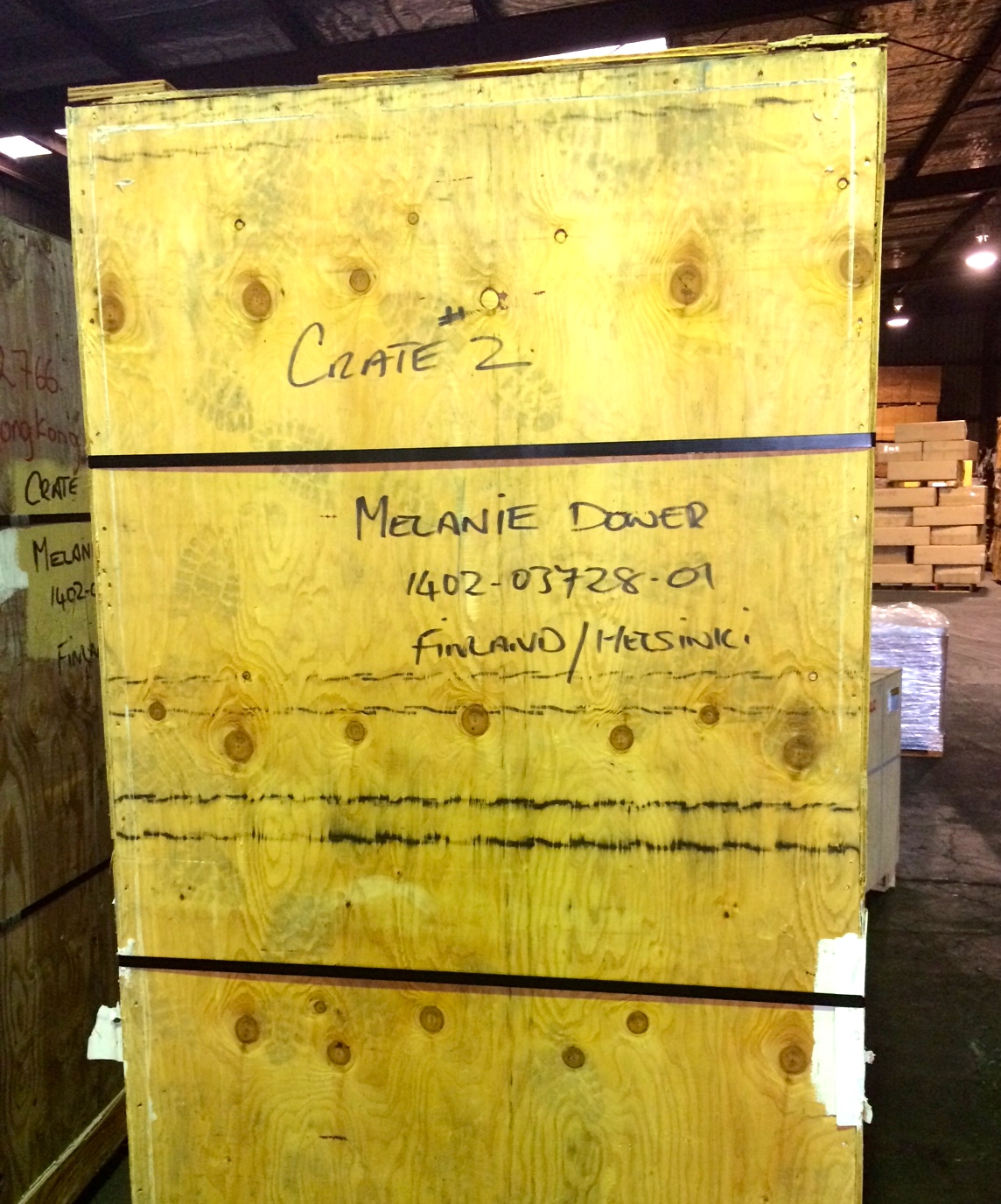
The Fourth of July – Independence Day for some, moving day for us! Like a 1950’s traveller our belongings had survived the six-week voyage by sea and were ready to be delivered to our new address in central Helsinki.

Anchors aweigh! Our things ready for sailing

Anchors aweigh! Our things ready for sailing

Only three months have passed since we packed but it was funny to see what I had anticipated we would need. It was soon evident how sentimental I am as I unpacked boxes of photos and gifts from family and friends. This includes a small rock I was given for my 21st birthday that I have taken with me to Australia, back to New Zealand and now Finland. (Sentimental or just semi-mental?)

You know you're in Finland when the former tenants forget to take their reindeer fillets and escargot from the freezer

You know you’re in Finland when the last tenants forget to empty the freezer of reindeer fillets and escargot

If I could go back in time, here’s a few packing tips I would give myself:

– don’t worry about all the small appliances like the toaster, jug, lamps and  fairy lights. The power adaptors you’ll need to run them may cost more than the item did.

– unlike Sydney, where built-in wardrobes are very rare, storage won’t be a problem in Finland. So leave the large chest of drawers behind.

–  also unlike Sydney and Auckland, moths and cockroaches don’t seem to be compulsory flatmates. You can leave half your airtight storage jars behind.

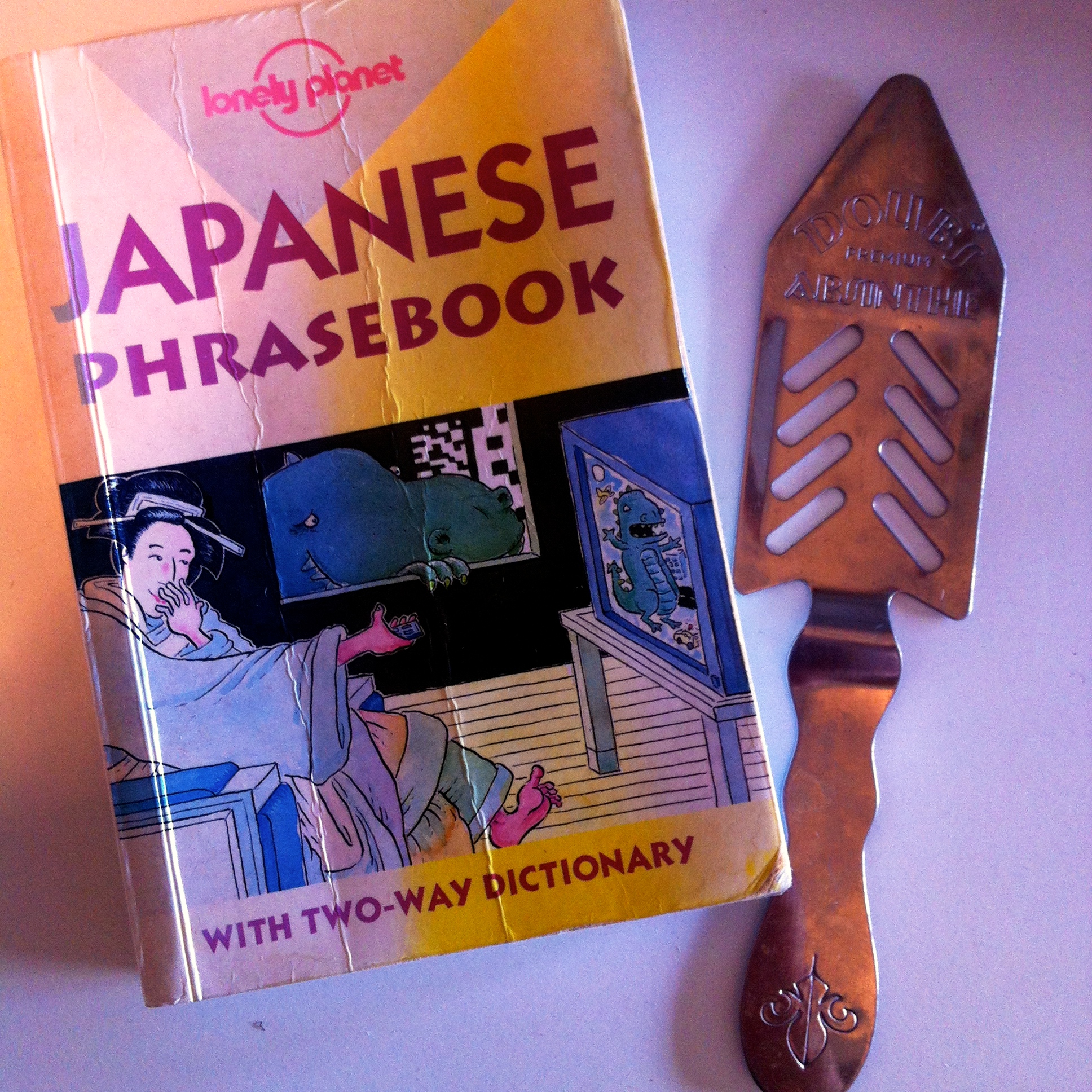
– a Japanese phrasebook and an absinthe spoon – what were you thinking?

IMG_1095

– it’s good you packed the books you’ve been meaning to read and haven’t yet. If you haven’t read them by the end of winter, stop carting them around!

– same goes for cookbooks.

– there are shops in Helsinki.

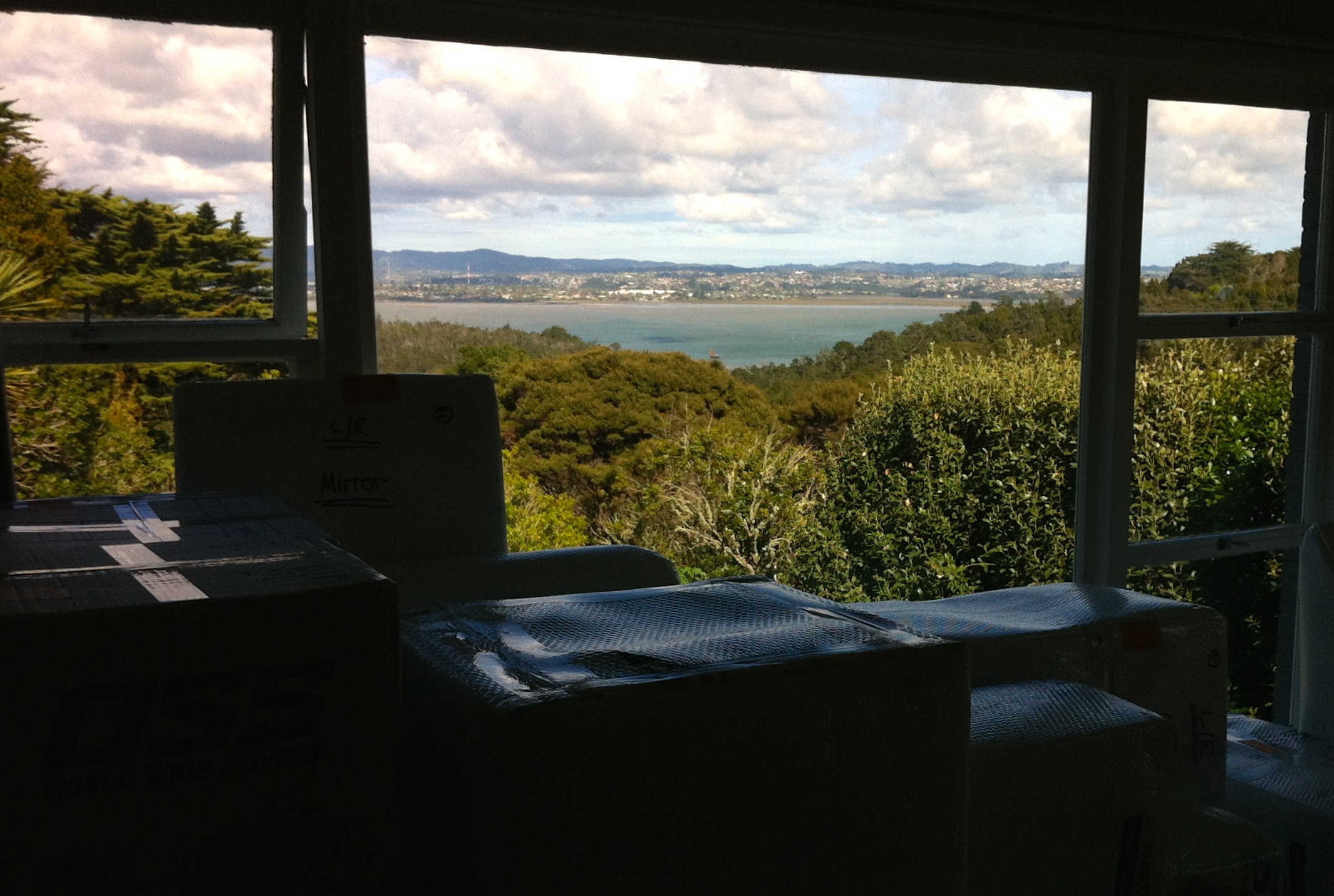
View from our lounge in Auckland (moving in 2012)

View from our lounge in Auckland (moving in day, 2012)

The fourth of July was also the due-date given to us last year for the arrival of our twins; two baby boys we lost at 16 weeks pregnancy. If I could talk to my former self from that time too I’d say, time doesn’t change things, but it does keep moving forward and you really never know where you might find yourself just one year on.

View from our lounge in Finland

View from our lounge in Finland


A Heart Stopping Post

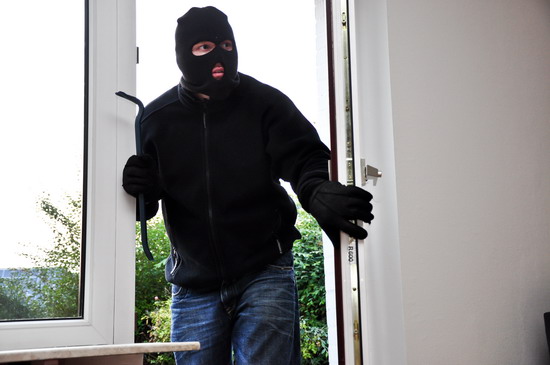
I was home alone, making a sandwich in the kitchen when I heard it: the unmistakeable sound of a door in our apartment being tentatively opened. I froze, like a reindeer in the proverbial headlights, my knife poised mid-air, my eyes huge in my head. I stood frozen, straining to hear. There it was again, this time more confidently, a door somewhere in our home being pushed open. The muffled sound of a hand, reaching into a bag. This is it, I thought, I am going to die, making a sandwich and I’m not even sure I have the strength to put up a good fight with this butter knife.

What I thought was happening....

What I thought was happening….

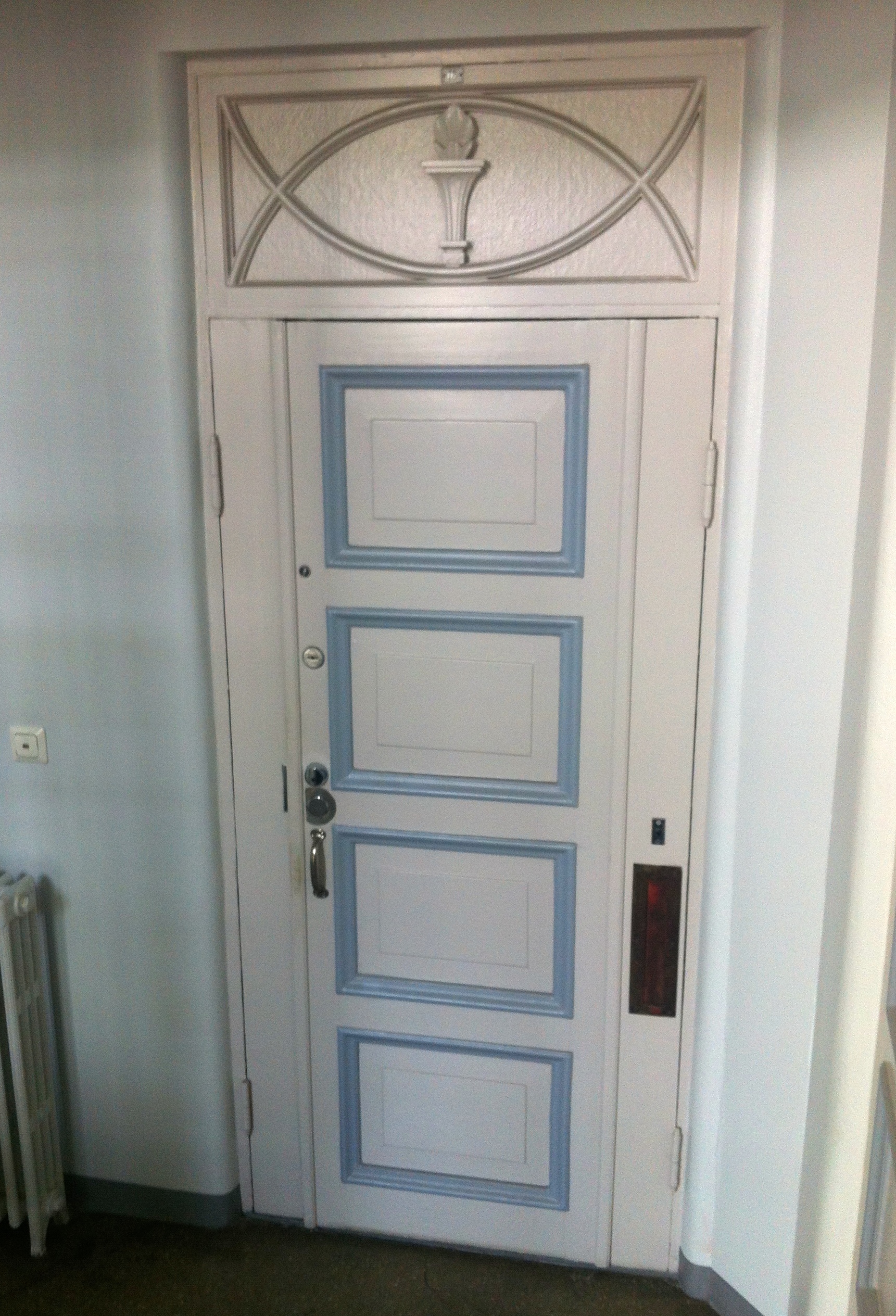
Then footsteps, walking away now. I heard myself exhale, loudly. It was the postie, delivering mail through the slot in our front door.

What was actually happening Photo credit: Riitta Kumpulainen

…what was actually happening.  Photo credit: Riitta Kumpulainen

In fact we have two front doors, about five inches apart and the first has a slot in it for the mail to be pushed through. The letters then sit securely in the space between the two doors until you collect them. This amazes me – to gain access to our building you need a key to open a gate and a heavy door at street level and then we are a few floors up. The fact the postie has a key to get in and is then expected to visit every front door in the building seems like such hard work. And we are only one building in the street!

IMG_0339

In New Zealand and Australia, credit cards and packages are often delivered to unlocked mailboxes near the road and we trust they will still be there when we collect our post. I once had to open a mailbox with a pair of bolt cutters for a man who had gone to prison (work related, another story). I was surprised that no one said anything as I cut the padlock, his being one mailbox in a block of ten.

Finnish Post logo

Finnish Post logo

The Finns of course are not content to just settle with secure mail delivery – in 2011 they were the first country in the world to implement a carbon neutral postal service. Participation in initiatives designed to offset the carbon output of mail delivery is provided at no extra cost to consumers. Which is good news for us, as our postcards home can now be good for the heart and for the planet.

Finns first in the world to deliver carbon neutral post