A Day in the Life

Miko is now at his second Finnish daycare (not expelled, just moved house) and based on our short time here there are a few things I’ve noticed that are quite different to New Zealand daycare.

IMG_0943

Daycares are in high-rise buildings
Miko’s first daycare was on the fourth floor of a large modern building and his new one is five floors up in a building that is probably 100 years old. Each daycare has a playground nearby they head out to each day, where they store outdoor toys in large, lockable boxes.

They go out in all weather
Rain or shine, Finnish children play outdoor every day. I believe the cut-off point is when the temperature drops below -20. Miko’s daycare recently headed out to the zoo on a drizzly day with a high of 10 degrees celcius. The only times they won’t go out is if there is thunder and lightening. If it’s raining, the kids just put rubber pants and jackets on over their clothes and jump about in all the puddles.

Carts like this are used to transport smaller children to the playground

Carts like this are used to transport smaller children to the playground

More outfit changes than Beyonce 
Because of the all-weather outdoor play, I have had to buy Miko quite a few new clothes. He heads out in regular clothes plus over-pants for the dusty playground. In his backpack he has: sunhat, warm hat, gumboots, rubber overalls, rubber jacket, gloves, and a change of clothes for inside. And we’ve yet to hit winter!

Opposite of NZ
In NZ it’s not unusual to play outside in bare feet. And at daycare we would always wear shoes inside. Here, shoes are always worn outside and removed indoors. This goes for all visitors to daycare too. So once inside, Miko changes into his slippers. Even Jonathan wears slippers at work and it’s not unusual to see a rack of slippers in many Helsinki offices.

IMG_1131

Meals are provided
Lunch is provided in daycare and every day, right up to the last year at school. It might be made in-house or delivered by a company. Regular menu items include: soup and rye bread, lasagne, fish bake and peas, sausages and rice. For kids like Miko, vegetarian options are also provided. Miko is not yet three and expected to serve himself, scrape his plate and stack his dirty dishes. He also pours himself a glass of milk or water from the drinks stand.

Amazingly, lunch is still provided for children through-out the holidays in city parks. You just turn up at the city playgrounds on the right days, bring your plate and spoon and line up for your meal.  There’s no stigma attached, the lunches are part of life and for all children. It’s like a modern day Oliver Twist – we went to a playground one day and there must have been 100 kids and parents lining up for lunch.

And for dessert…
After lunch at daycare, all the children help themselves to a piece of chewing gum from a large dispenser. Finland is very proud of xylitol you know! Not only did they discover its benefits for dental health, but also that chewing can reduce middle-ear infections in young children. I love all the self-reliance Miko is being taught but honestly, if he’s being cheeky, there’s nothing more annoying than being spoken back to by a three-year old chewing gum!

IMG_1843

Tar lollies and patriotic gum

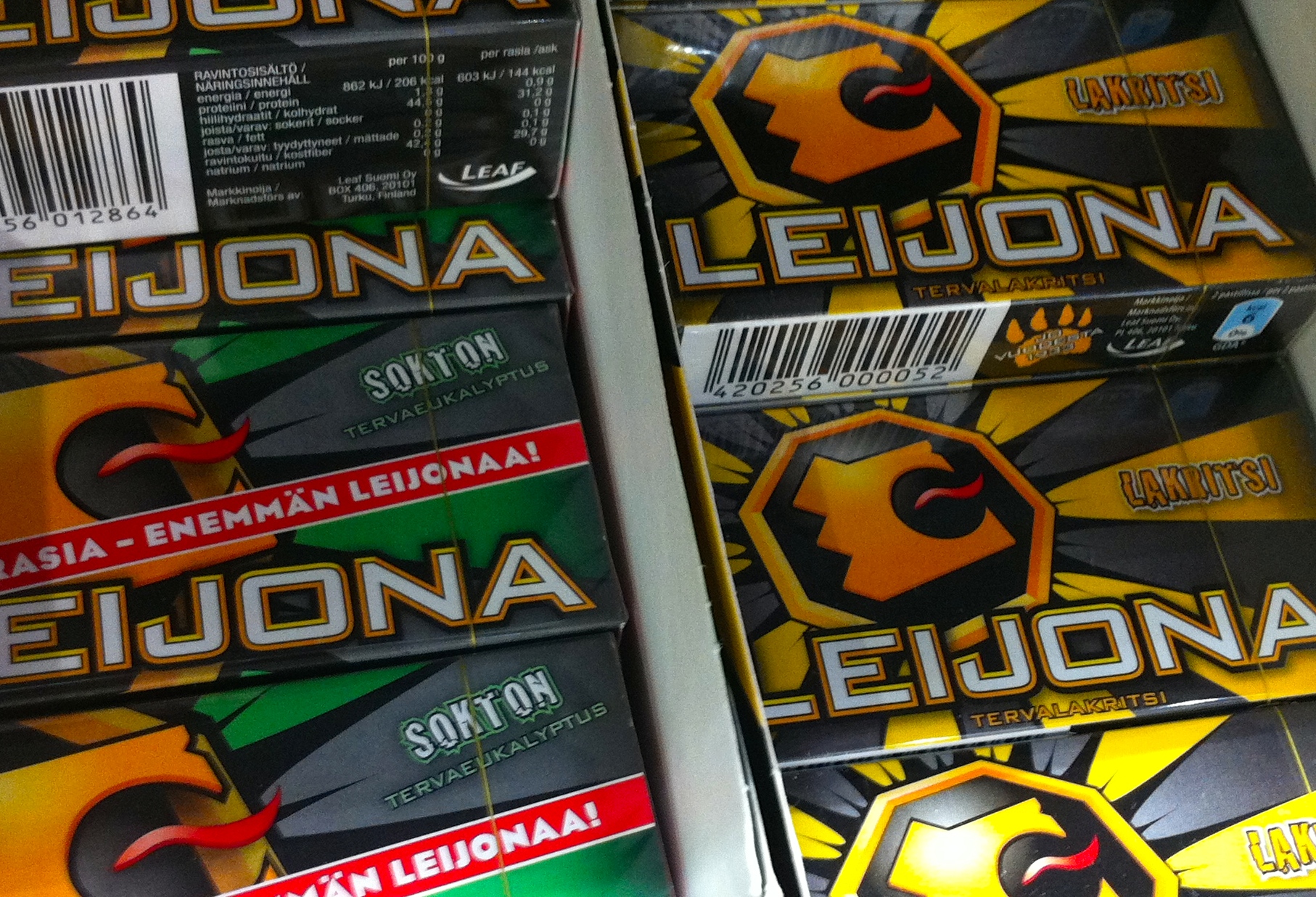
Cut in half? Relax! The Finns have a panacea that is said to cure “even those cut in twain through their midriff”. Wood tar has been used in traditional Finnish medicine for years because of its ability to fight viruses and bacteria and is also used to flavour alcohol and sweets (Terve Leijona).
Tar lollies

Tar lollies

And how does it taste? Kind of like the road in New Zealand smells on a hot summer’s day. Or like the old Throaties we used to get from the chemist. But it’s not offensive, we actually have a wood tar fragrance we use in our sauna. Apparently the Finns say, “if sauna, vodka and tar won’t help, the disease is fatal.” 

IMG_1845

Chewing xylitol gum seems to be a patriotic act in Finland. Discovered by French and German scientists, it was the Finns who discovered its health benefits. A sweetener that can be tapped from birch trees, xylitol is safe for diabetics and proven to be beneficial for dental health. The flavour range of Jenkki gum includes spearmint, sweetmint, peppermint and polka mint, orange-cranberry, lemon sorbet, smooth salmiac and smooth lemongrass.

IMG_1689

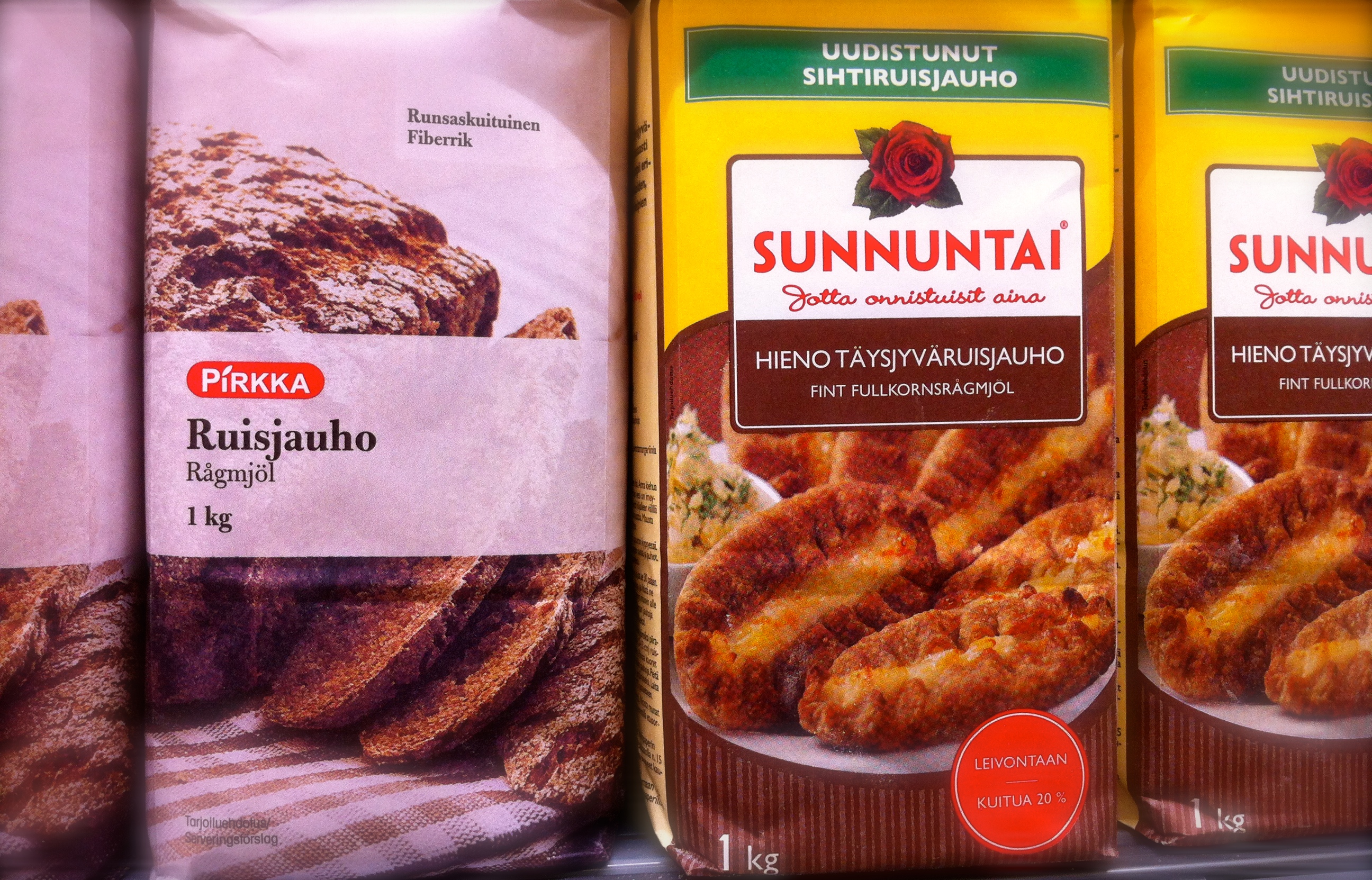
Special wheat flour & whole wheat flour

Turns out ‘plain’ flour is a very subjective term. In NZ it refers to white wheat flour, the main alternative being brown wheat flour. Here in Finland there are so many kinds of flour, what we call ‘plain’ is hidden within a huge range of alternatives and called vehna (wheat) to differentiate it from grains such as rye, or graham.

IMG_1688

Rye flour & Fine wholegrain rye flour

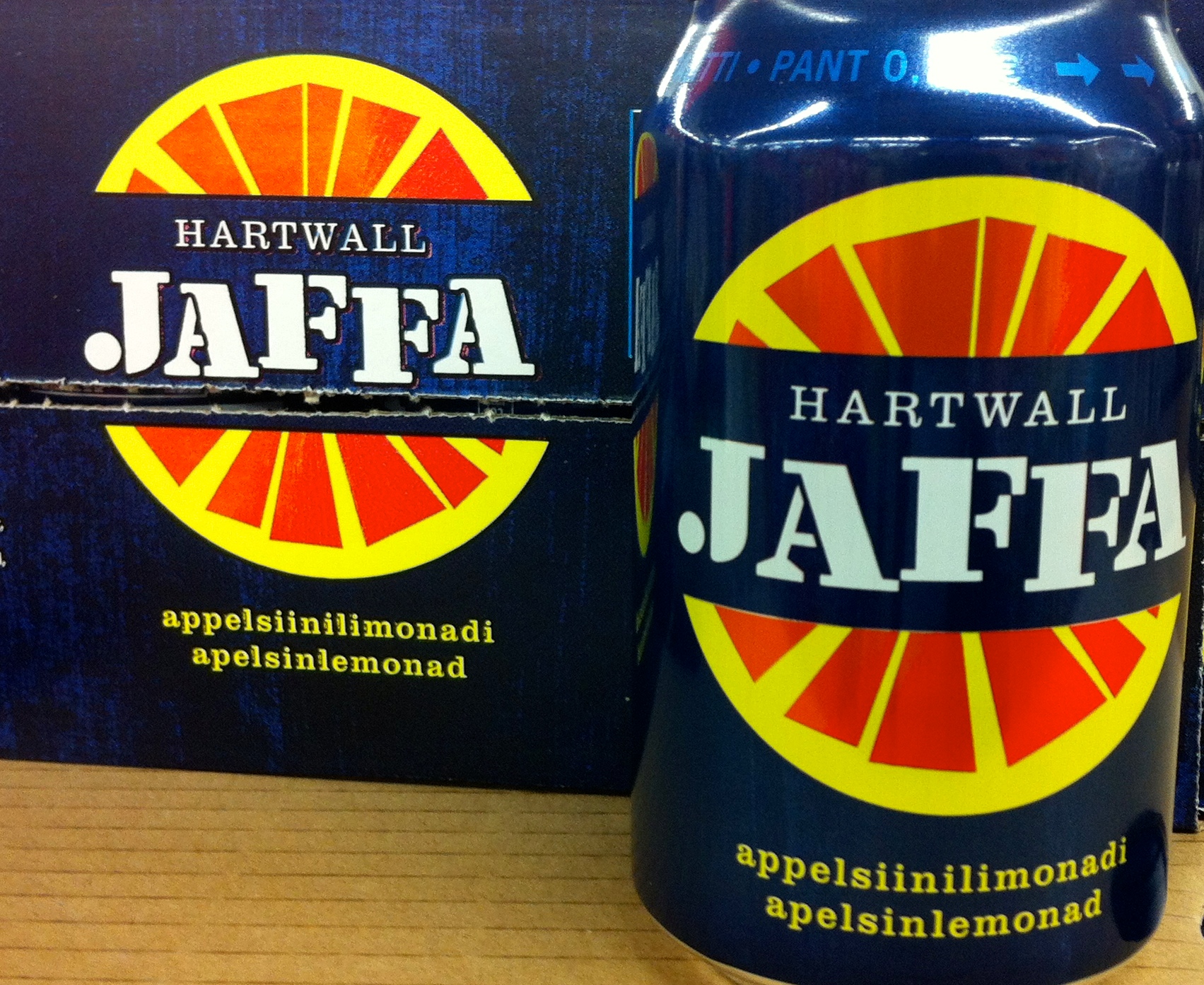
Hartwall Jaffa is an iconic drink in Finland and can be found in most supermarkets and corner stores. Apparently it is ‘Finland’s most loved drink’ and is the third-most bought soft drink in the land. And just to confuse us, appelsiini is the Finnish word for orange, not apple.

IMG_1856

Finns seem to love their porridge for breakfast and it is sometimes made with oats as we are used to. There’s also a large range of Manna at our supermarket –  a milk-based mannapuuro (semolina-milk porridge).

IMG_0018

 And if you prefer toast for breakfast but don’t want the crust? No problem, this brand of bread seems to have taken care of that problem for you. Is that why most Finns have straight hair?

IMG_1852

Tar

Xylitol

Jaffa

Moko is My Fave

IMG_2283

Hyerim and I went to Moko Market & Cafe yesterday to celebrate her birthday. We ended up staying for three and a half hours AND without planning it, we both took our partners back today, bumped into each other and spent another three hours there. 

IMG_2253Walking into the store for the first time, my eyes widened at all there was to behold – every shelf, table and corner has been thoughtfully laid out with kitchenware, scented candles, cookbooks and culinary delights. 

IMG_2245

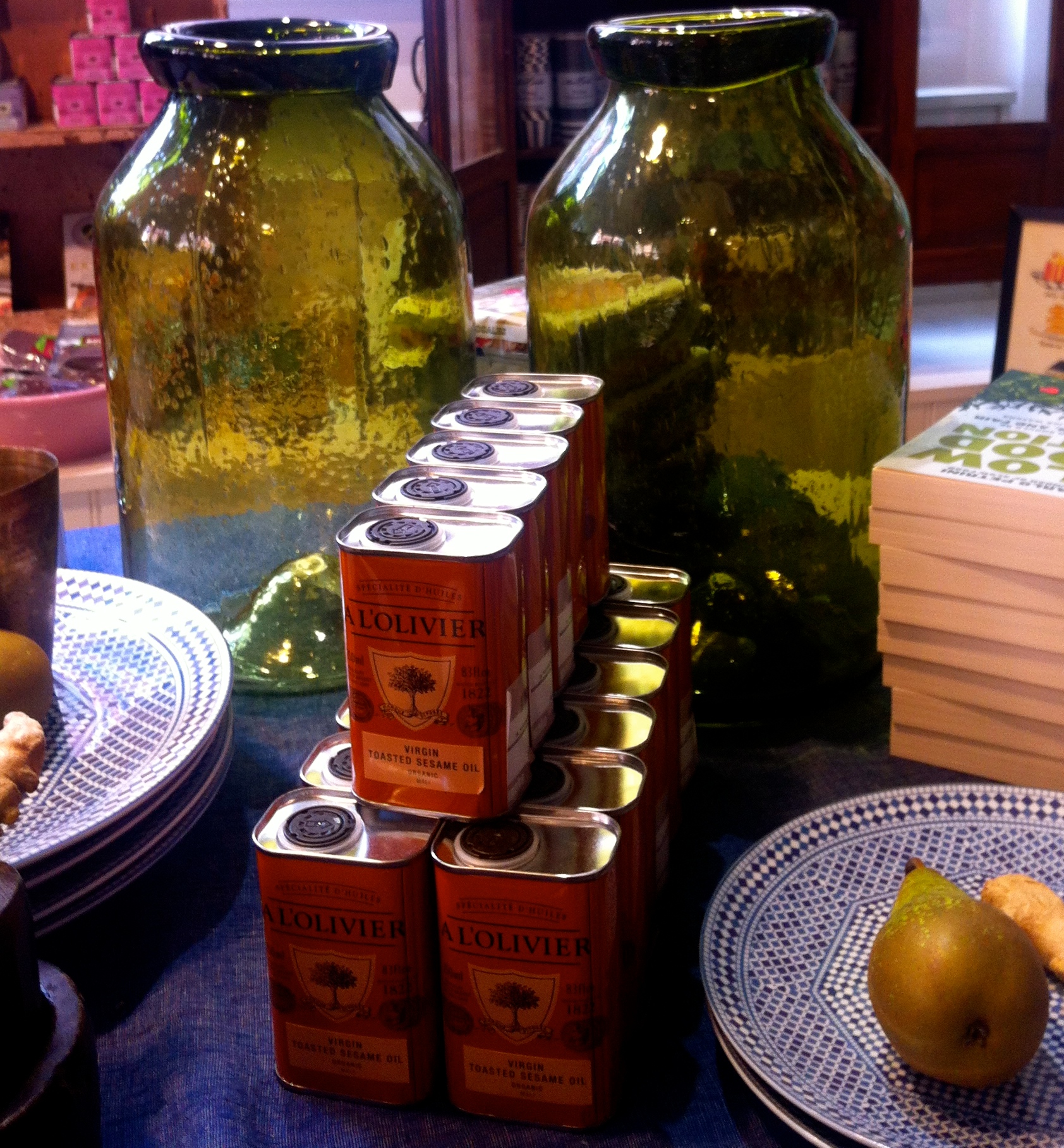
There’s gourmet olive oils, infused vinegars, toothpaste naturally flavoured with ginger, books on preserving and how to hold incredible dinner parties. Even the muesli is sexy.

IMG_2247

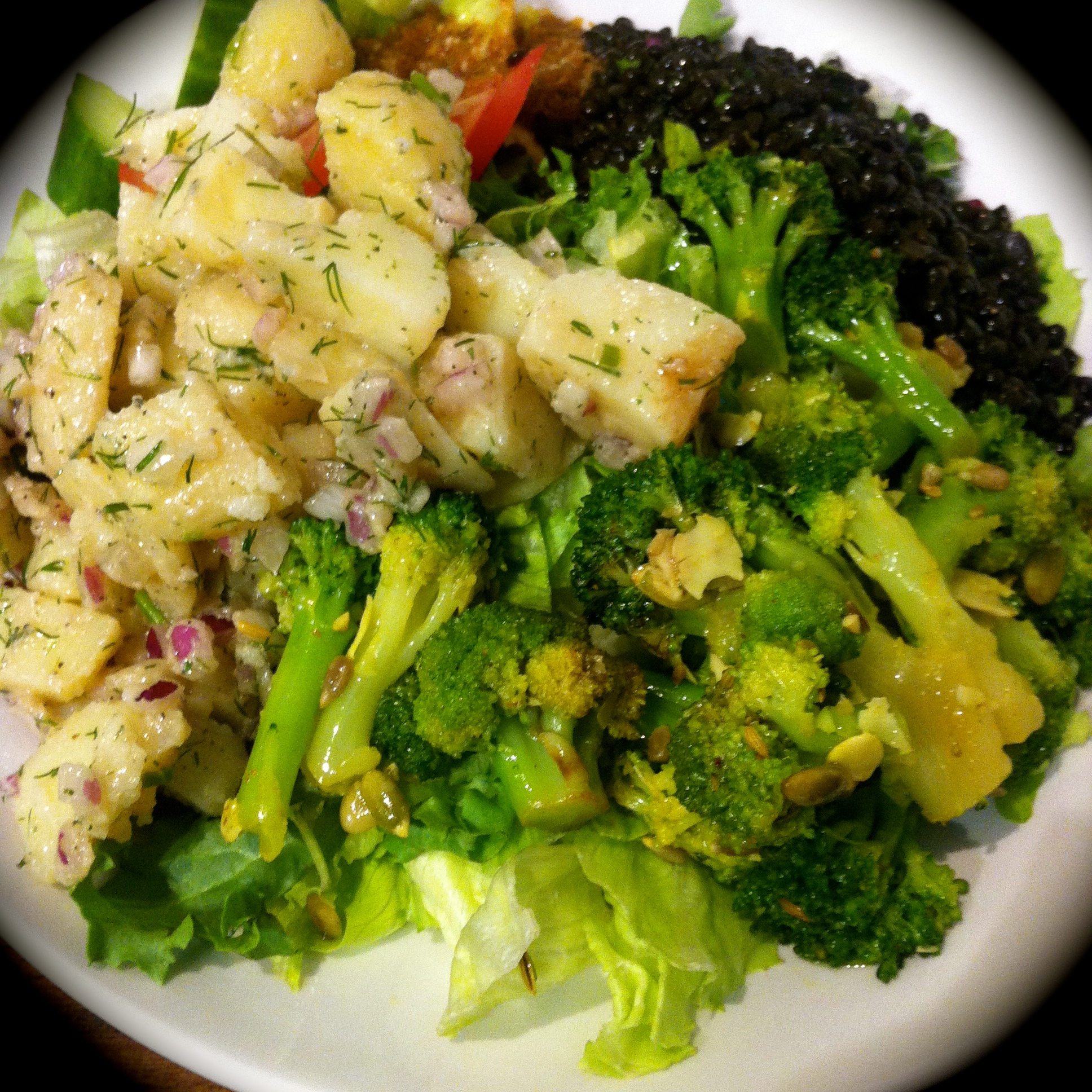
In the back right-hand corner is the cafe, with a glass cabinet full of fresh lunchtime offerings. Soup of the day was Creamy Artichoke but I opted for a choice of three salads, which could easily have fed two people (it didn’t, I ate it all, but just saying).

IMG_2243It’s like they knew I was coming too because on a serving table were two large jars – one with a green dressing and one with punainen (red) pesto.  There was also a bottle of olive oil and one of balsamic vinegar. I love my dressing as much as the horse it rides in on, so I was really happy about this set up. 

IMG_2244Over in the back left corner is Kaffa Roastery – serving some of the best coffee I’ve had in Helsinki – with a big room where they roast their own beans out the back. 

10592916_10201710487803858_7964972802402455465_nAnd just to be the most awesome store in the land, there’s also a great area for children. A wooden house full of toys and a room set up with colouring books means you can stay for three hours while your child whiles away the time. 

IMG_2289As we said goodbye today, Hyerim and I joked that we’d see each other there tomorrow. I might take one or two days off, but it certainly won’t be long before I’m back at Moko again. 

IMG_2266


Moko Market & Cafe

Kaffa Roastery 

North African in East Helsinki


As the cooler weather arrives, it’s a good time to embrace a cuisine that promises to warm you from the inside with its spices, aromas and steaming tagines.

North African food is riding a wave of popularity in Helsinki with everyone talking about Sandro in Kallio. Recently voted Best Restaurant, Best Ethnic Restaurant and Best Brunch by City-Lehti, their buffet is definitely worth a visit. If you miss out on a table however, I’d recommend jumping on the metro and visiting their cousin, Cafe Stoa. 

IMG_1952

About 20 minutes east of central Helsinki, Cafe Stoa is in the same building as the library and Cultural Centre. Each day the hot lunch menu changes and as usual you have the option of going the whole hog or paying less for soup and salad. (Guess what this little piggy did). 

IMG_1949The menu caters really well for vegetarians, gluten-free and lactose-intolerant diners. The hot mains the day I dined were Roasted vegetables with tofu & soy miso sauce, Lentil & coconut casserole and Beef, olive & thyme meatloaf with tomato sauce.

IMG_1951

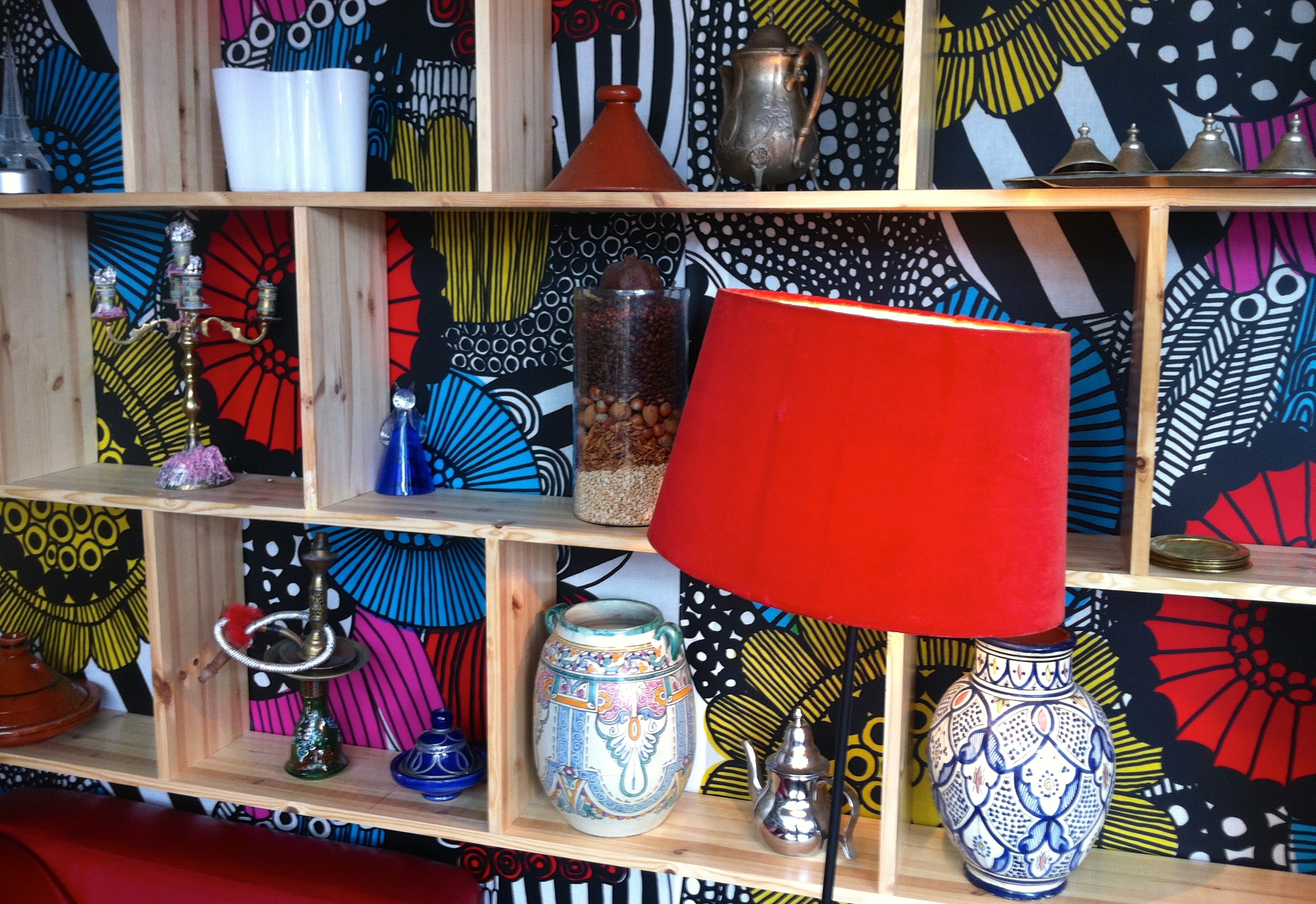
The settings are lovely and the plates beautifully patterned and mismatched. The tables are large and solid with big comfortable armchairs you could get lost in. 

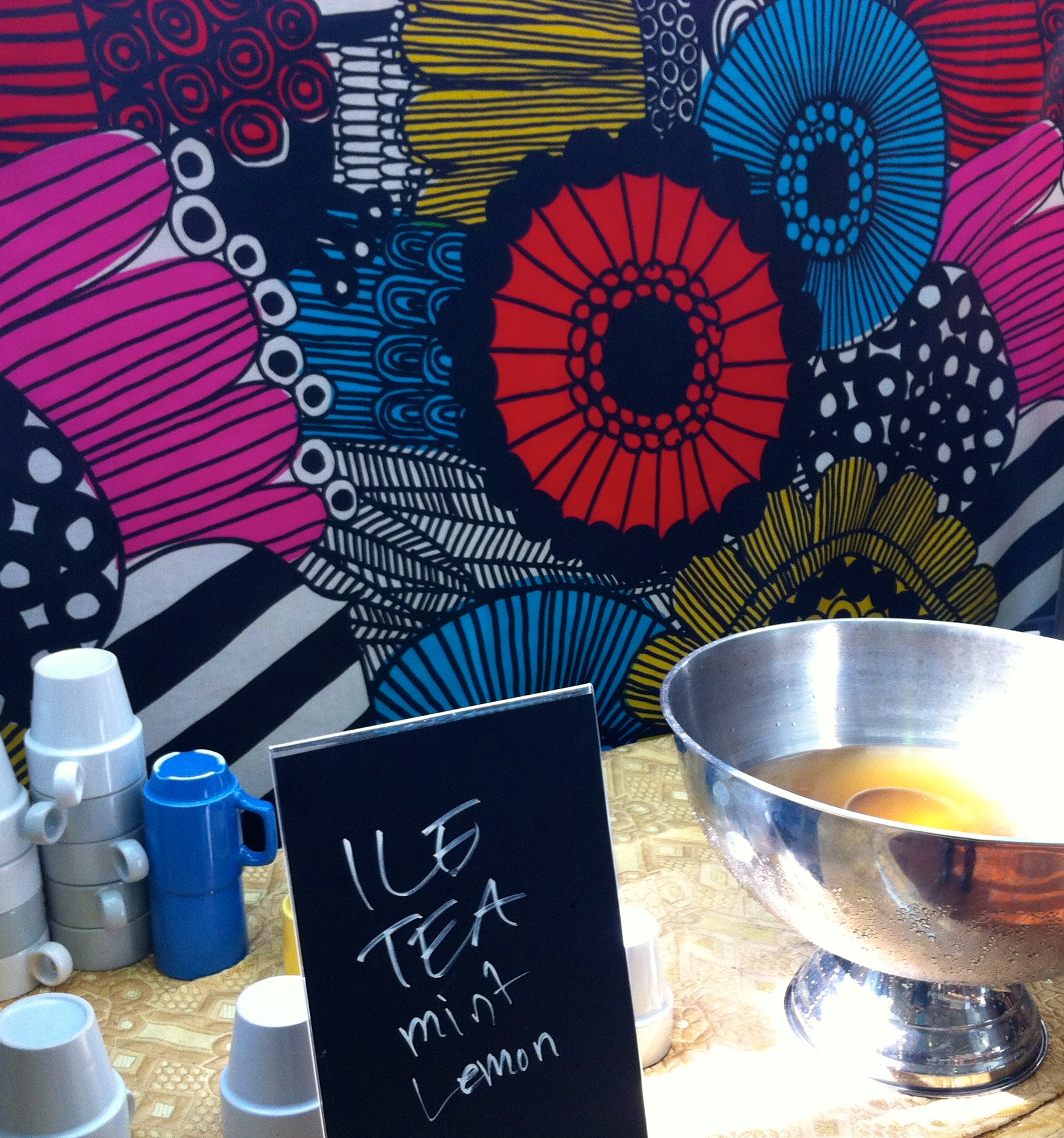
IMG_1946The ice tea was delicious – refreshing and not too sweet. You can serve it in a mug or a delicately painted glass. 

IMG_1948

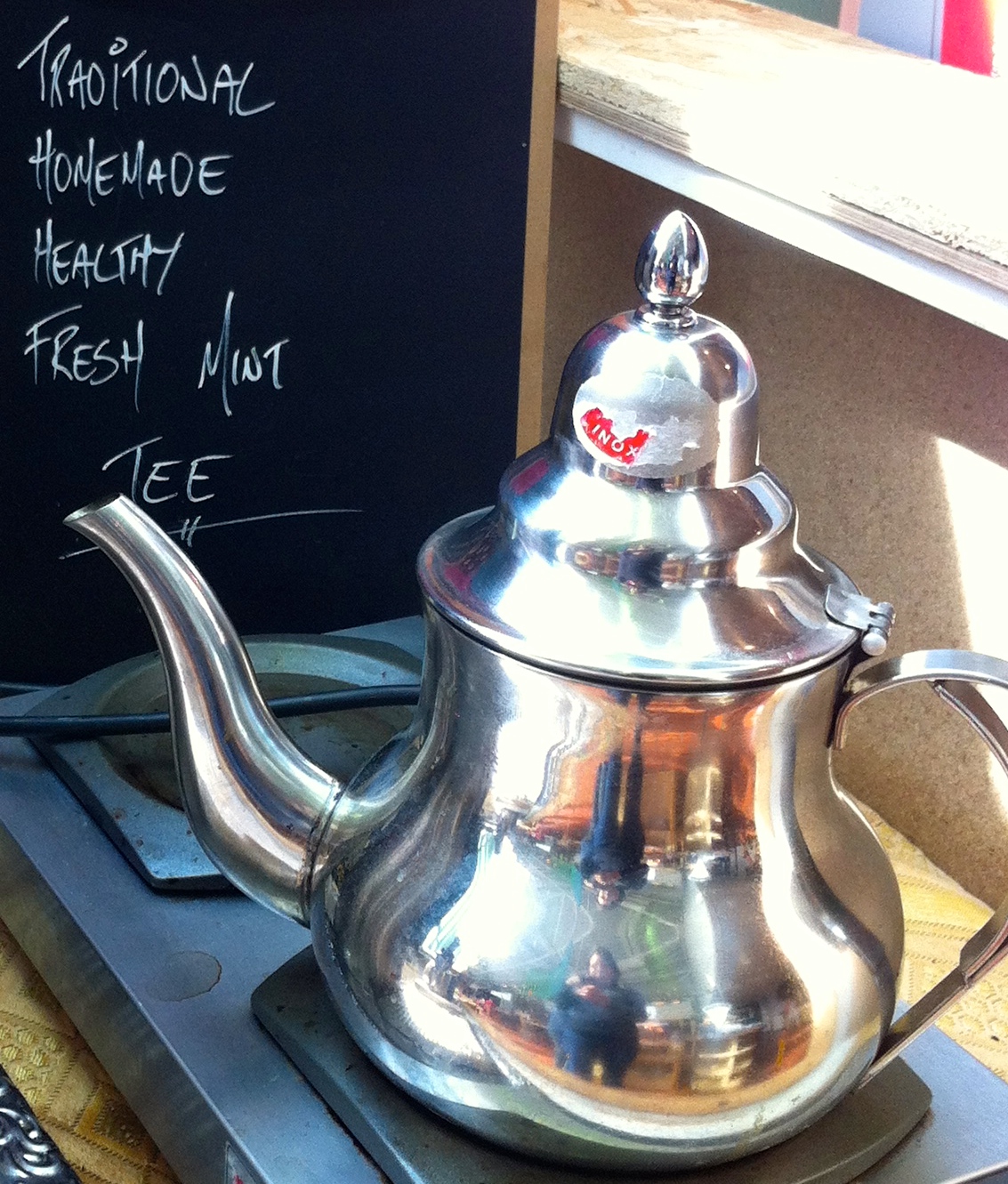
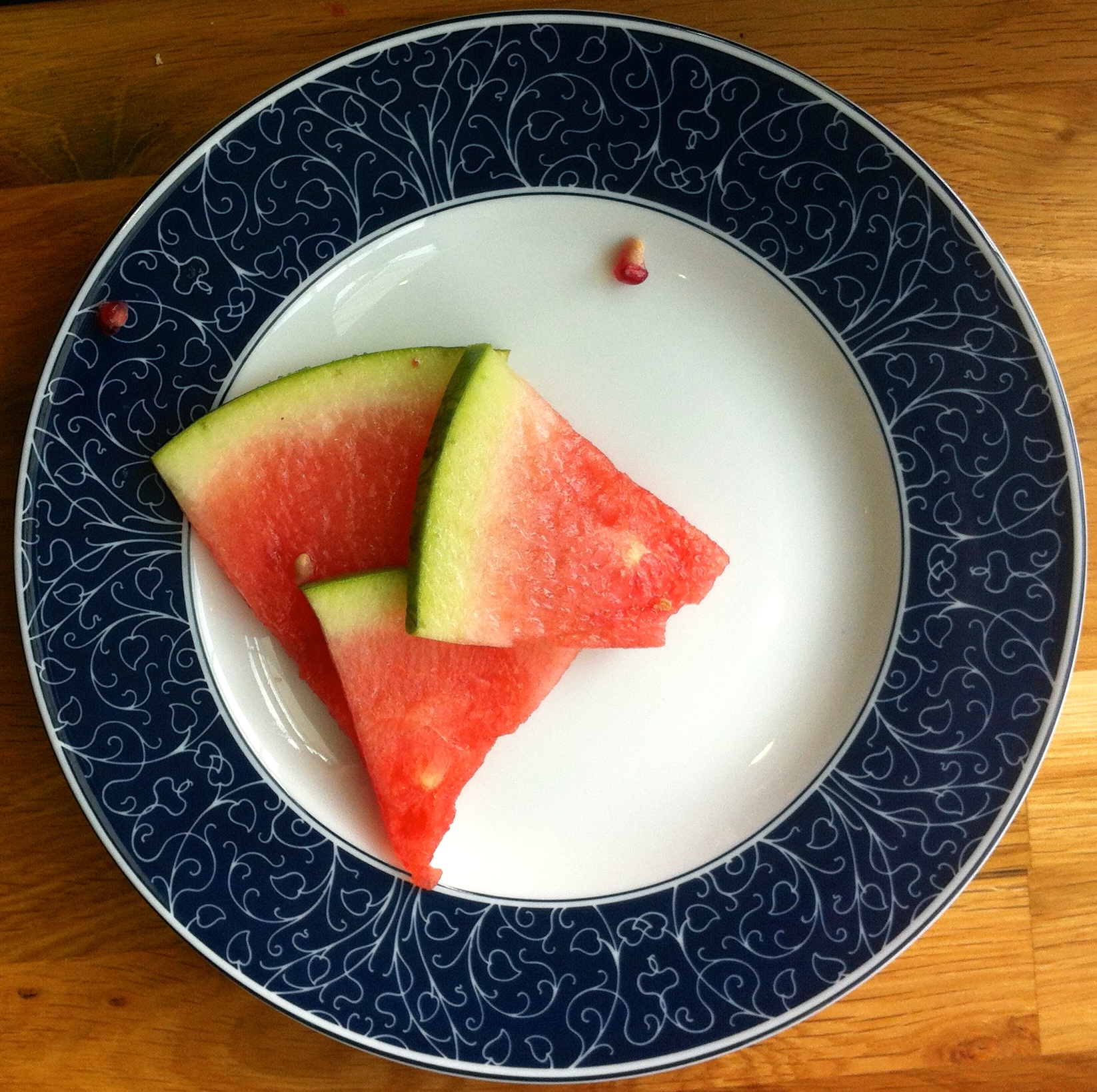
There is also hot tea and coffee on offer, to go with dessert. I enjoyed mine with slices of watermelon, taken from a plate piled high, with quarters of pomegranate lounging upon them. 

IMG_1959

One of the best parts of the visit was the warm service I received from the man behind the counter. His smile was as wide as the buffet bar and he threw his arms open to take it all in as he asked me in Finnish how everything was. I suspect he may have been Ezzeddine Farag, who the website describes as ‘head chef/live wire and the heart and soul of Cafe Stoa’.  

IMG_1957

Cafe Stoa and Sandro offer cooking classes together. These can be held in Finnish, English, French Berber, ‘North African’ or Spanish. I would definitely recommend Sandro as a place to visit in the city, but if it’s an unhurried, relaxing experience you’re after, take the time to go east for a warm welcome and lunch, North African style. 

Cafe Stoa

Cafe Stoa on Facebook

Cafe Fanny

IMG_1866

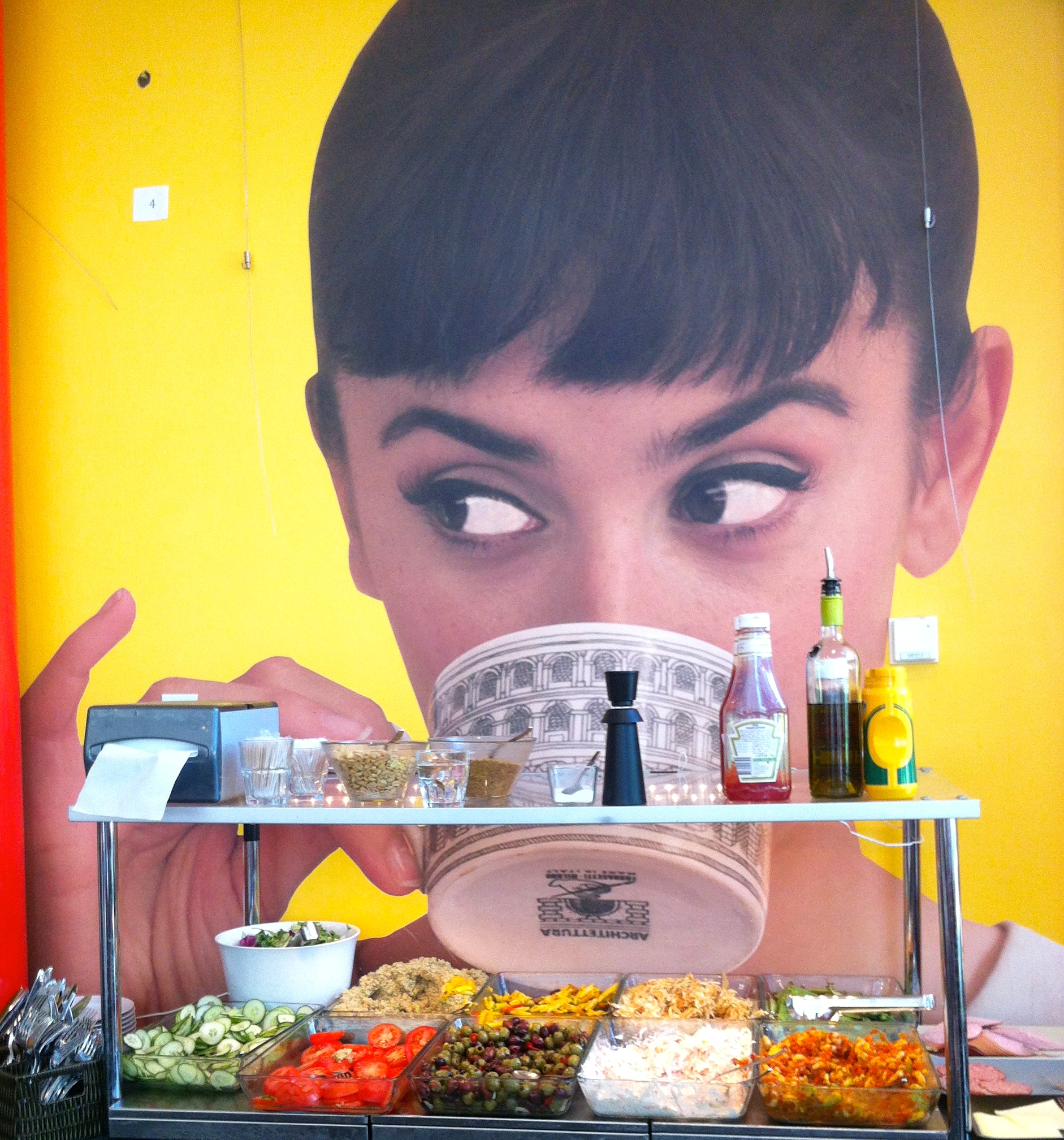
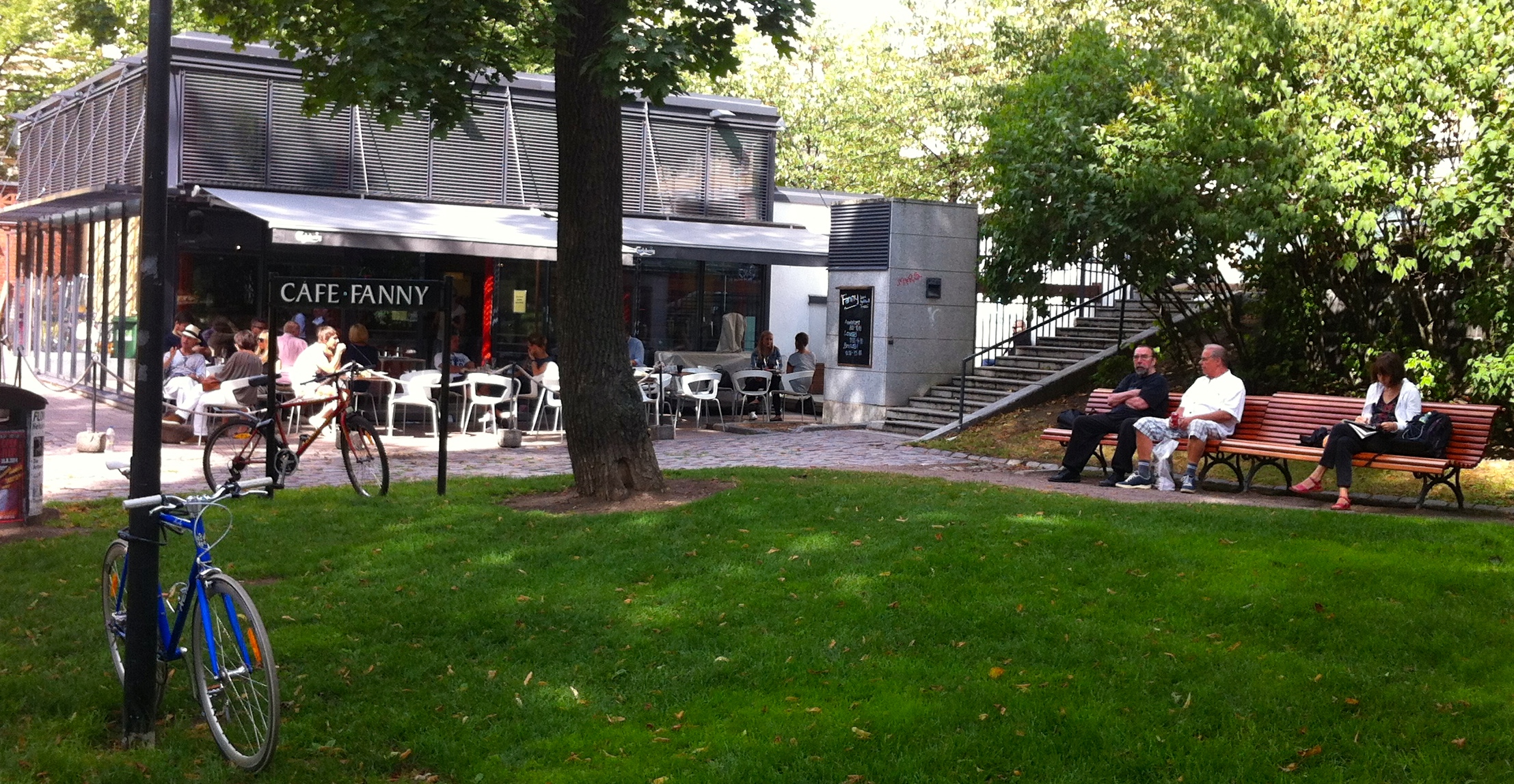
We met some friends for brunch on Saturday at Cafe Fanny in Sinebrychoff Park. Finns love a buffet and Fanny doesn’t disappoint! There were croissants, rye bread, eggs, bacon, sausages, filled tortilla, a delicious salad bar and of course, dessert.

IMG_1868

The sweets section had cereals as well as lemon tart, cream, yoghurt, marshmallows and berries. Filter coffee, tea and juice were also included.

IMG_1872

Cafe Fanny has a strong connection to the park and you can borrow games such as croquet to play on the grass. As the website says, ‘Fanny is park and park is Fanny’. In winter there are even sleds you can use for free to ride down the snow-covered hills.

IMG_1877

The park itself was once owned by Nikolai Sinebrychoff, a Russian merchant, who founded one of Finland’s largest breweries in 1819. They are now part of the Carlsberg brand and produce Koff and Karhu beer as well as owning the license to produce Coca-Cola products in Finland.

IMG_1878

Nikolai Sinebrychoff built a house and stables in the park as well as an observation tower and beautiful gardens. Lucky for us his foresight has created an oasis in the city, as well as being the birthplace of Fanny.

Cafe Fanny

Bulevardi 40

Helsinki 00120

What is your Finnish name?

Miko. So exotic in New Zealand. So common in Finland. Well, Mika and Mikko are common boys names, so people are often surprised and ask why he has a Finnish name.

As for our surname…D’s and W are not common so when asked, it sounds like we are saying ‘wah-wah’ and we get some momentary blank looks. I’ve been asked a couple of times to write my name down and circle which is the first name and which is the last.

The Finnish Alphabet

The Finnish Alphabet

Surnames only became compulsory in Finland in 1921. Prior to that people would often take a name associated with the area or farm in which they lived. Because the farm might be home to workers who were unrelated, the surname didn’t necessarily mean people were family.

Later, some families took Swedish surnames to reflect the status held by those of the upper and middle classes. Those in the armed forces were given names, whether they wanted them or not. Having a Swedish surname then does not necessarily mean a family speaks Swedish.

Finland - a great place for name inspiration

Lappeenranta, Finland – a great place for name inspiration

As the political climate changed, people began to drop Swedish names, or translate them back into Finnish. Surnames to do with nature became common, especially those ending in merio (sea) and niemi (peninsula). Other common names include  Laine (wave), Vainio (field), Nurmi (grassland), and Salo (grove).

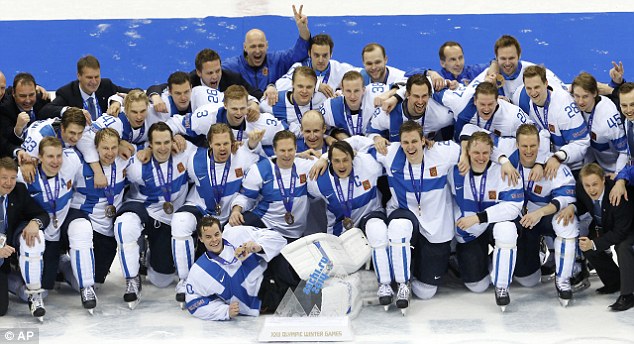
Common endings are -nen (small), and -la / lä  (place of). By 1985,  38% of Finns had a -nen name and  13%  had a compound word name, eg/ Kivimäki (stone hill) or Rautakoski (iron rapids).

The Finnish Ice Hockey Team 2014 Olympics - 11 / 25 have a name ending in -nen

The Finnish Ice Hockey Team 2014 Olympics – 11  out of 25 have a name ending in -nen

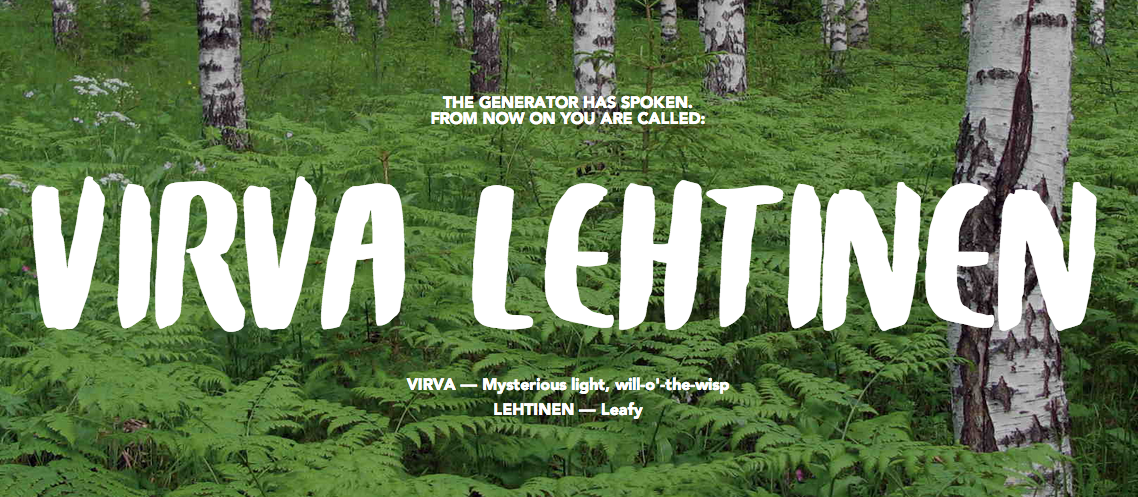
So there’s a Finnish name generator where you can enter your given name and magically be given a Finnish one. I’d LOVE to know what yours is (if you don’t already have one!) , so give it a go and let me know. I’ve tried it a few times and get the same answer every time.

And if you do have a Finnish name, I’d love to know what it translates to in english!

So, this is Virva Lehtinen (my new Finnish name) signing off.

Screen Shot 2014-08-16 at 10.40.39 am

Finnish Name Generator

Most Popular Finnish Baby Names

Twice Around the Lake

All this lying on the beach lately is good for my Vitamin D but I’m starting to feel like I’ve had too much Vitamin F, A and T. So last Sunday morning I got up  and went for a walk around Töölonlahti (Töölö Bay).

IMG_1658

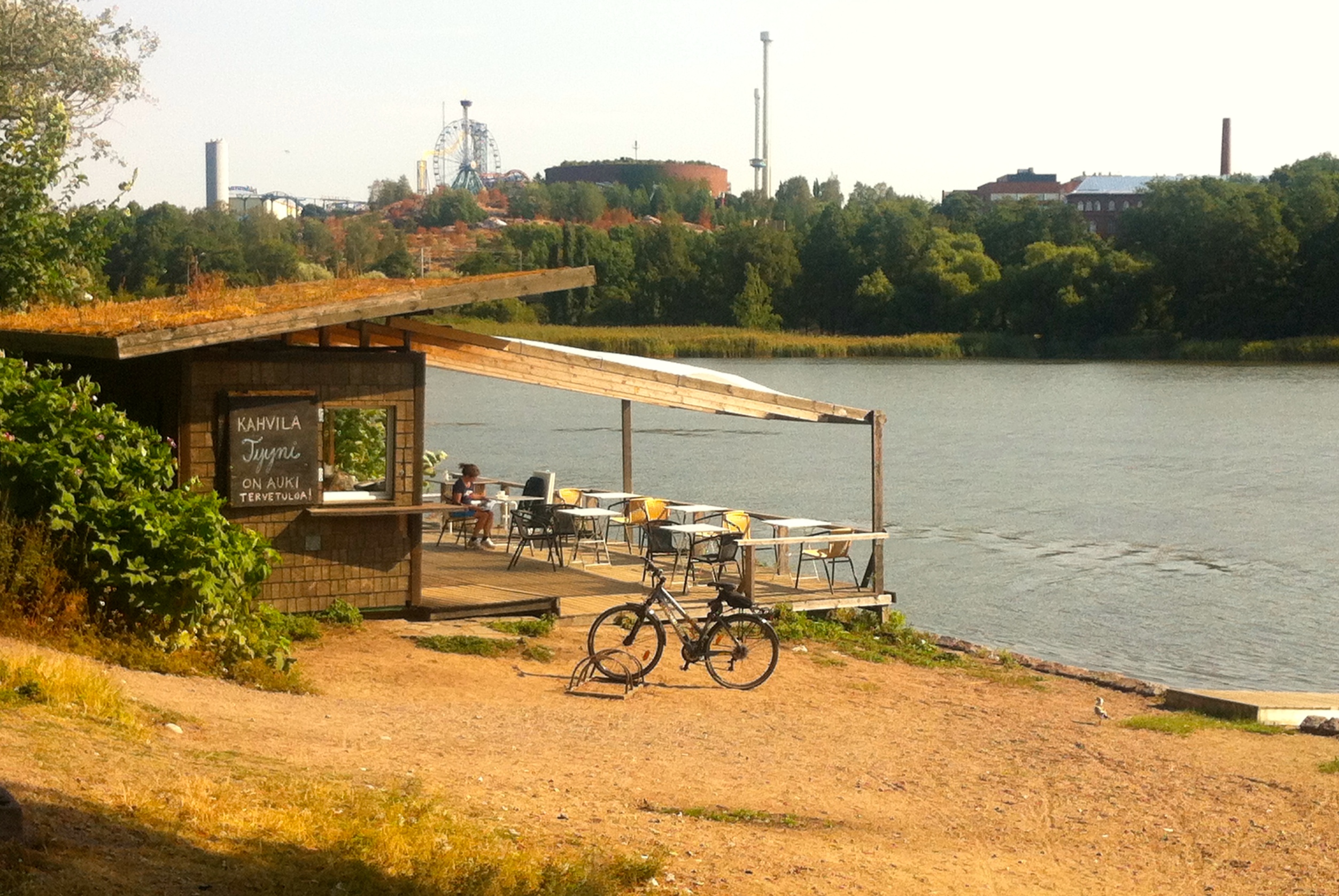
Set amongst the trees is an easy walking path that winds around the lake for 2.2km. Soon after heading out I came across Kahvila Tyyni, right on the water’s edge.

IMG_1636

This rustic cafe had problems last year after complaints were made about its electrical cords stretching across the path. After a series of negotiations a small victory was won and with the backing of the local community the cafe is open again this summer.

IMG_1643

 Filter coffee seems quite popular here and at Kahvila Tyyni there are free refills – as if you need any incentive to stay, sit and just enjoy the view.

IMG_1650

As I walked on I saw many people out jogging or walking. I still love to see Finns just sitting, smiling with their faces lifted to the sun. A group of paddle-boarders launched themselves out onto the water as I rounded the northern end of the bay.

IMG_1663Amongst the trees on the far side from Kahvila Tyyni is Linnunlaulu, home to a series of villas built 120 years ago. One of the villas now functions as a writer’s centre and some have saunas in the garden and their own private jetty.

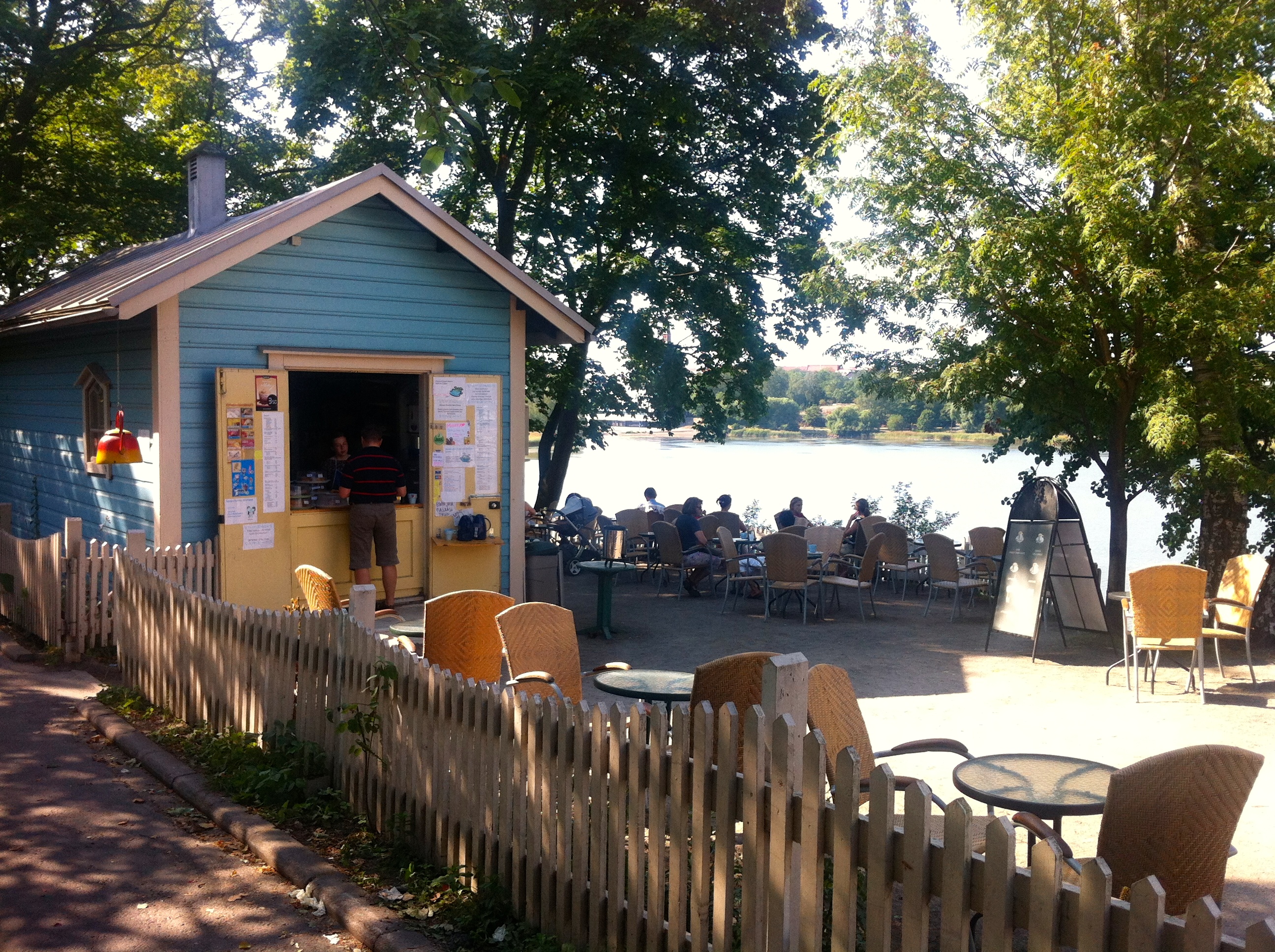
IMG_1665Nestled amongst them is Café Sininen Huvila (Blue Villa). As well as coffee they sell Finnish juices made from blackcurrant, raspberry and lingonberry.

This week there’s a Cultural Walk on that takes in Töölönlahti and beyond, covering many of Helsinki’s best sights. I highly recommend checking out the map here just to get a feel for how close this bay is to many of Helsinki’s best attractions.

IMG_1634I had such a good time on my walk I went around again before meeting up with the boys for a few Sunday chores. Luckily I hadn’t indulged in any sweet treats on my stop or this post would have to be retitled Four Times Around the Lake at a Brisk Pace.


Bringing Cricket to Finland

Trip Advisor is a good way to find things to do in your city. I recommend it even if you have lived somewhere for a long time. A recent browse led me to Pihlajasaari (Rowan Island) – a small island 3km off the coast of Helsinki.

IMG_1407

After fearing summer would never come, July has been amazing and it was on a very sunny day that Miko and I walked to Ruoholahti and caught the boat across. They seem to leave every 15 minutes in summer. The return fare is 6 euro and as usual, children under seven travel free.

IMG_1400

Pihlajasaari is actually made up of two islands connected by a footbridge. It has an area of about 26 hectares in total and has no permanent residents, although you can camp on the eastern island. There is also a restaurant and a sauna you can hire.

IMG_1396

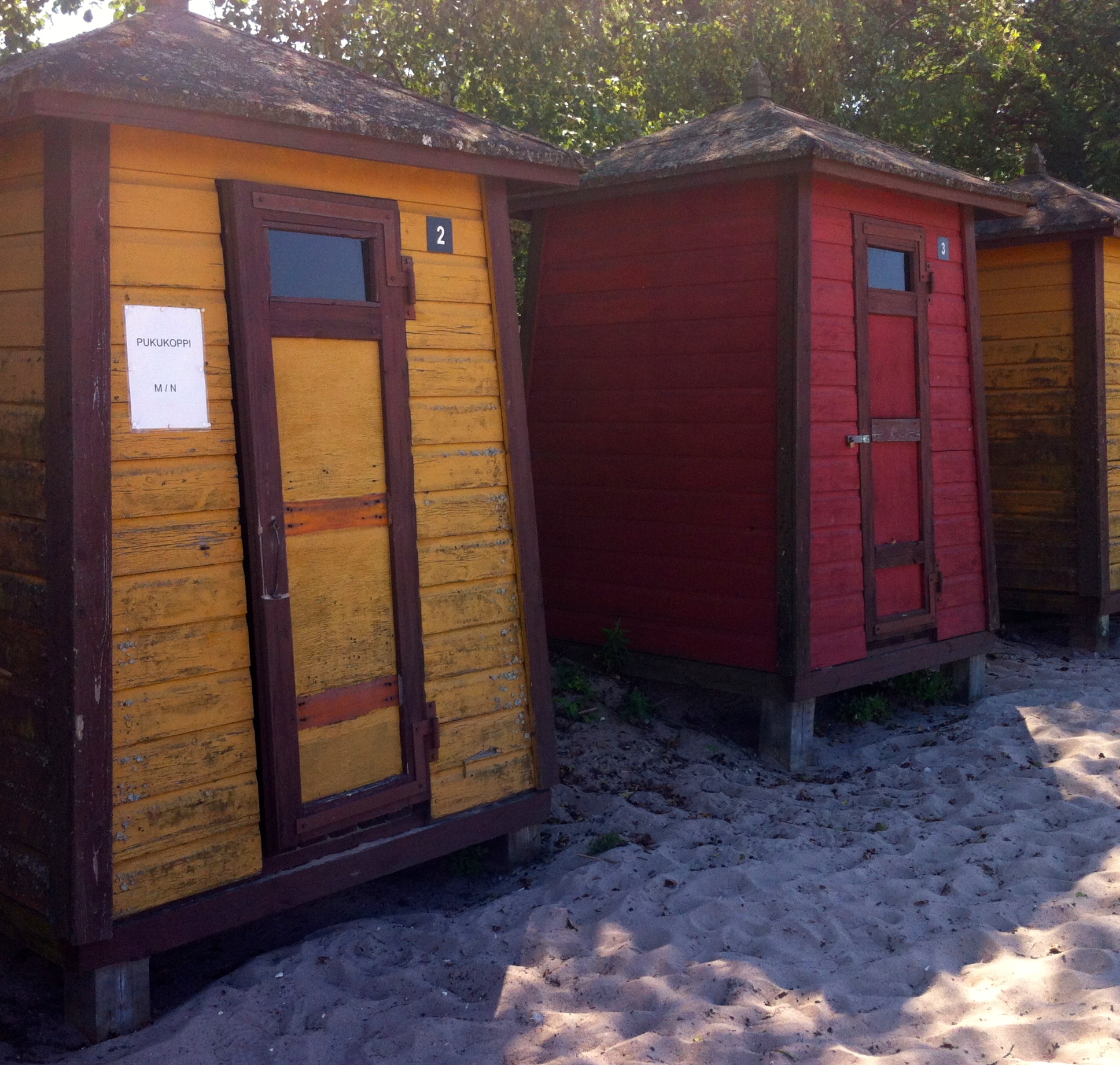
Back on the main beach there’s a gorgeous row of wooden changing sheds. Pihlajasaari is also home to a unisex nudist beach, one of only two in the whole country. That beach apparently has very little sand though and is not suitable for swimming….

IMG_1397

The view back to Helsinki is of Länsisatama (West Harbour) where some of the big cruise ships to Tallinn and St Petersburg berth. It’s quite astonishing to be relaxing on the beach, hear a loud noise and then see a huge 3000-passenger ferry the size of a large building come sliding into view.

IMG_1410

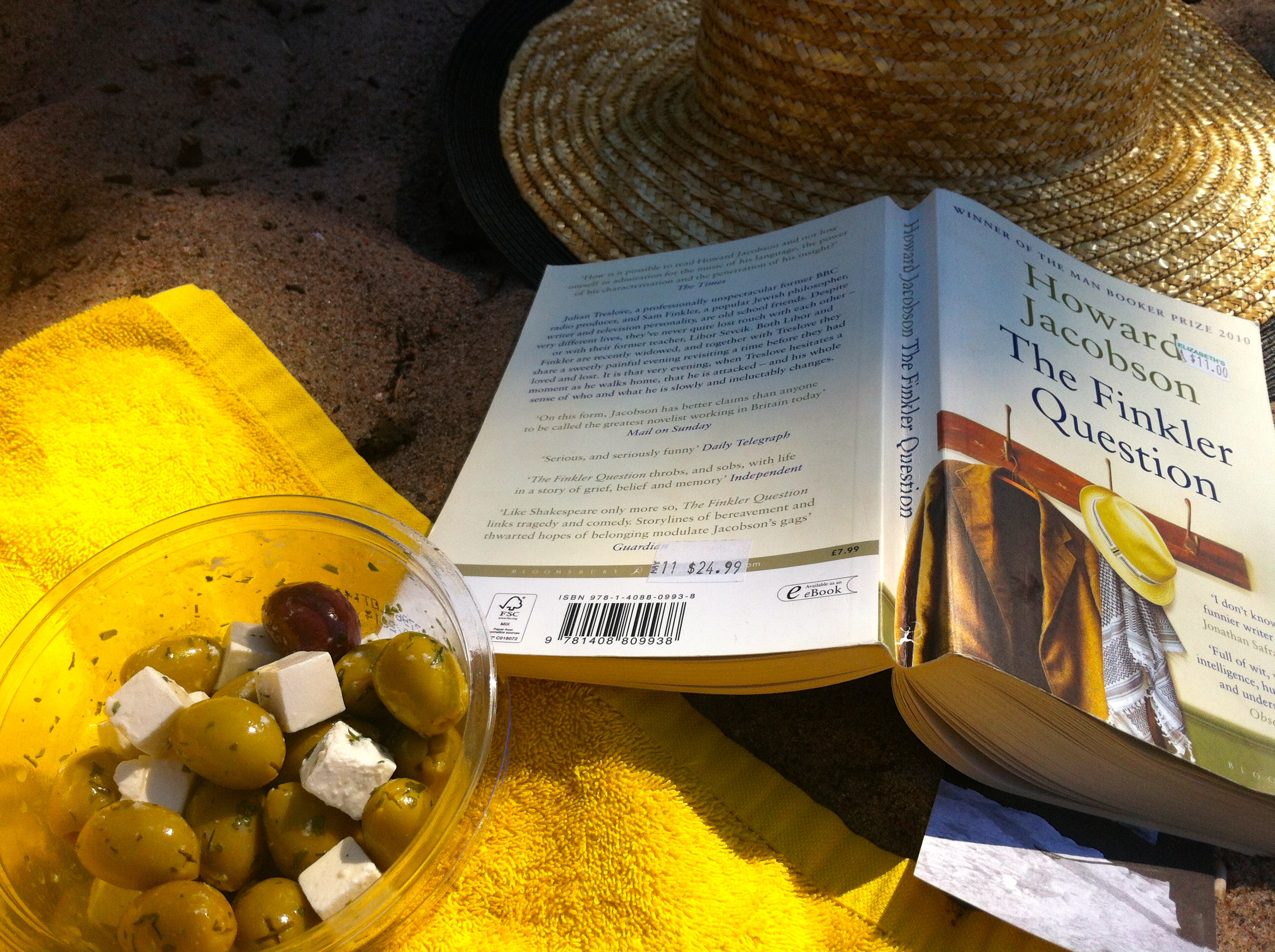
Miko slept for two hours in the stroller so I enjoyed the luxury of reading my book before he joined me in the water. It’s quite different to the beaches we are used to, as although it is the sea, it is not very salty at all, there is no surf and swimming is hardly affected by the tides.

IMG_1402

As we got off the boat on the way home Miko dropped his cricket bat about 10 feet down into the water. I was ready to kiss it goodbye but a small rescue effort was deployed which ended up involving a man in a fishing boat coming across and hauling it out for us. A small cheer went up from the crowd that had gathered, which was really nice considering some may have not even known what a cricket bat was!

Pihlajasaari

Salty Flowers and Sea Berries

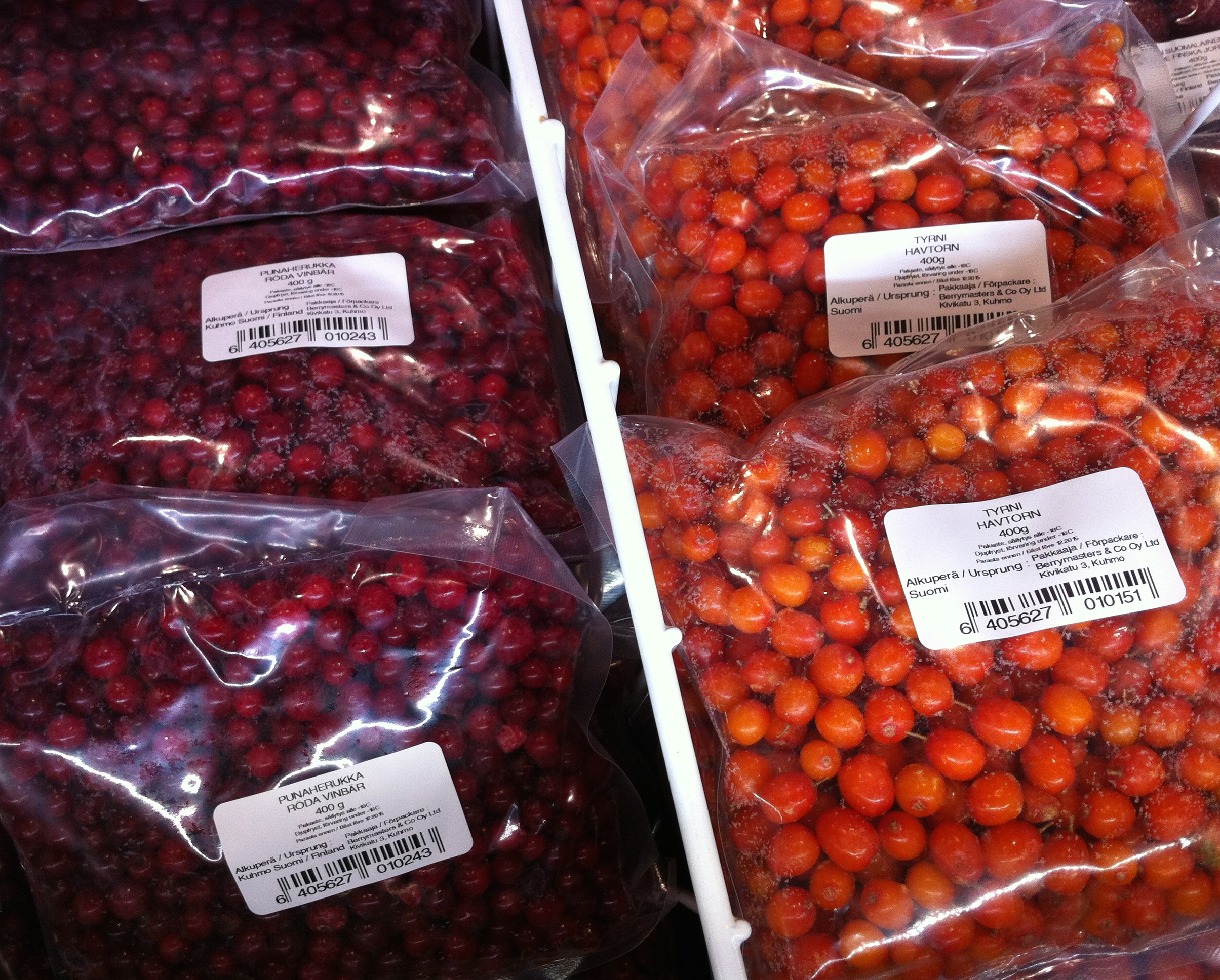
Sea Buckthorn: I’d only ever seen it in hand cream before moving to Finland. Popular here, the berries are like corn kernels that pop in your mouth with a sour surprise. High in Vitamin C, the juice is popular and with omega 3, 6, 9, and 7 they are good for treating burns. And, it turns out, they do not grow in the sea as I thought.

IMG_1360

Lingonberries are also common here and particularly popular over in Sweden. We knew of these from Ikea in Sydney where they sell lingonberry jam. High in Vitamins A, B and C the berries are also an essential part of the diet for bears and foxes.

IMG_1363

Lucky for us, Finns love their condiments and stock more flavours of HP sauce than I’ve ever seen. Sinappi is mustard and is often sold in tubes. The flavours below (in Swedish) are mild, fiery (eldig) and strong (stark).

IMG_1358

Karelian pies (karjalan piirakka) come, obviously, from the region of Karelia, and are sold everywhere. You can buy them in the frozen section of the supermarket and in most bakeries. I thought they were covered in cheese and garlic but unfortunately they are actually really plain and more of a vehicle for other toppings. Made from a thin rye base and a filling of rice, it is common to eat them with boiled egg mixed with butter or a slice of cheese and gherkin.

IMG_1064

Karelian pies (left)

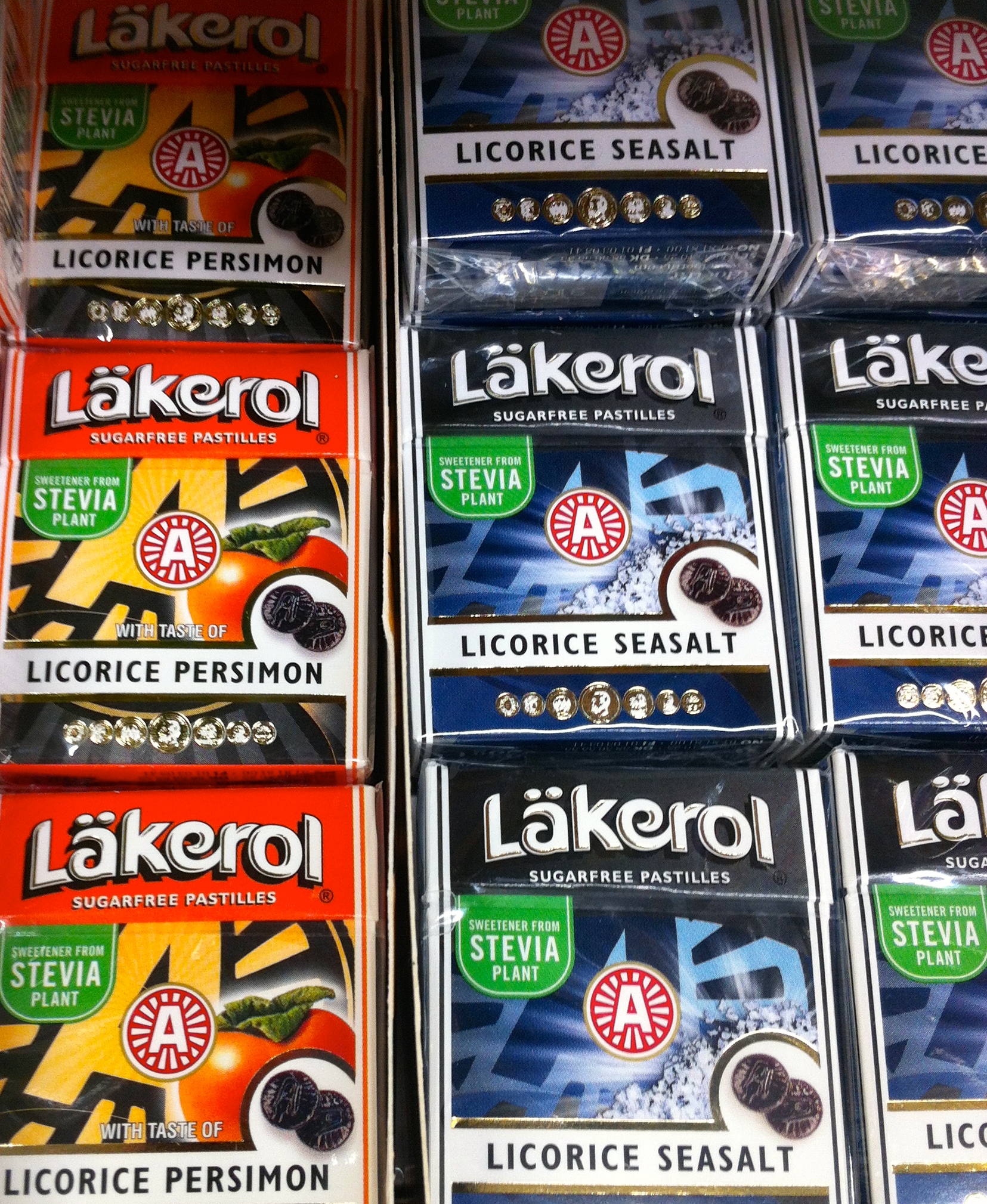
There’s a huge sweets section at our supermarket. Läkerol is a Swedish brand of pastilles, founded in 1909. The name “Läkerol” comes from the Swedish word läka, which means heal. They come in many flavours, depending where they are sold, such as smoked liquorice, peach tea and chicken tikka masala.

IMG_1365

Salvi apparently comes from salmiak (salty liquorice) and violets. So basically, salty flowers. It is an acquired taste and one I won’t be reaching for, but it’s good to know that if we are missing home they also come in Kiwi Passion.

IMG_1366

Sea Buckthorn

Lingonberries

Karelian pies

Läkerol

Where the Animals Never Sleep

One thing about visiting the zoo is that if you go at the wrong time of day you’ll find most the animals are snoozing. Not so at the Finnish Museum of Natural History, where the animals are stuffed and permanently alert.

IMG_1230

You can’t miss the building as it has two large  giraffes drinking coffee on the balcony. It was originally used as a gymnasium for Russian students in 1913 and was adopted by the University of Helsinki ten years later.

IMG_1229

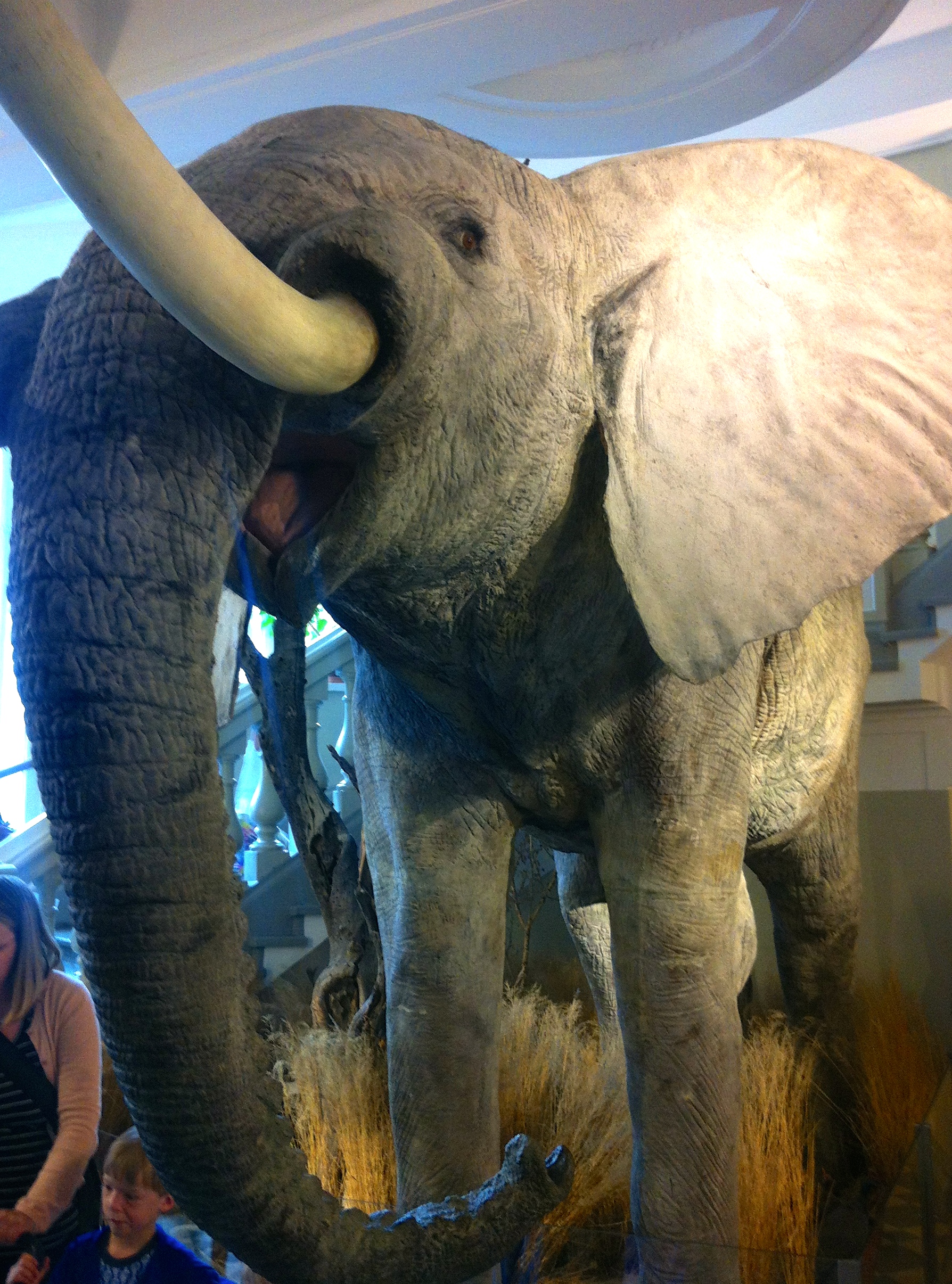
Inside the foyer an imposing African elephant stands next to the ticket seller. As with many attractions in Helsinki, you can enter for free for the last two hours of the first Thursday of every month.

IMG_1232

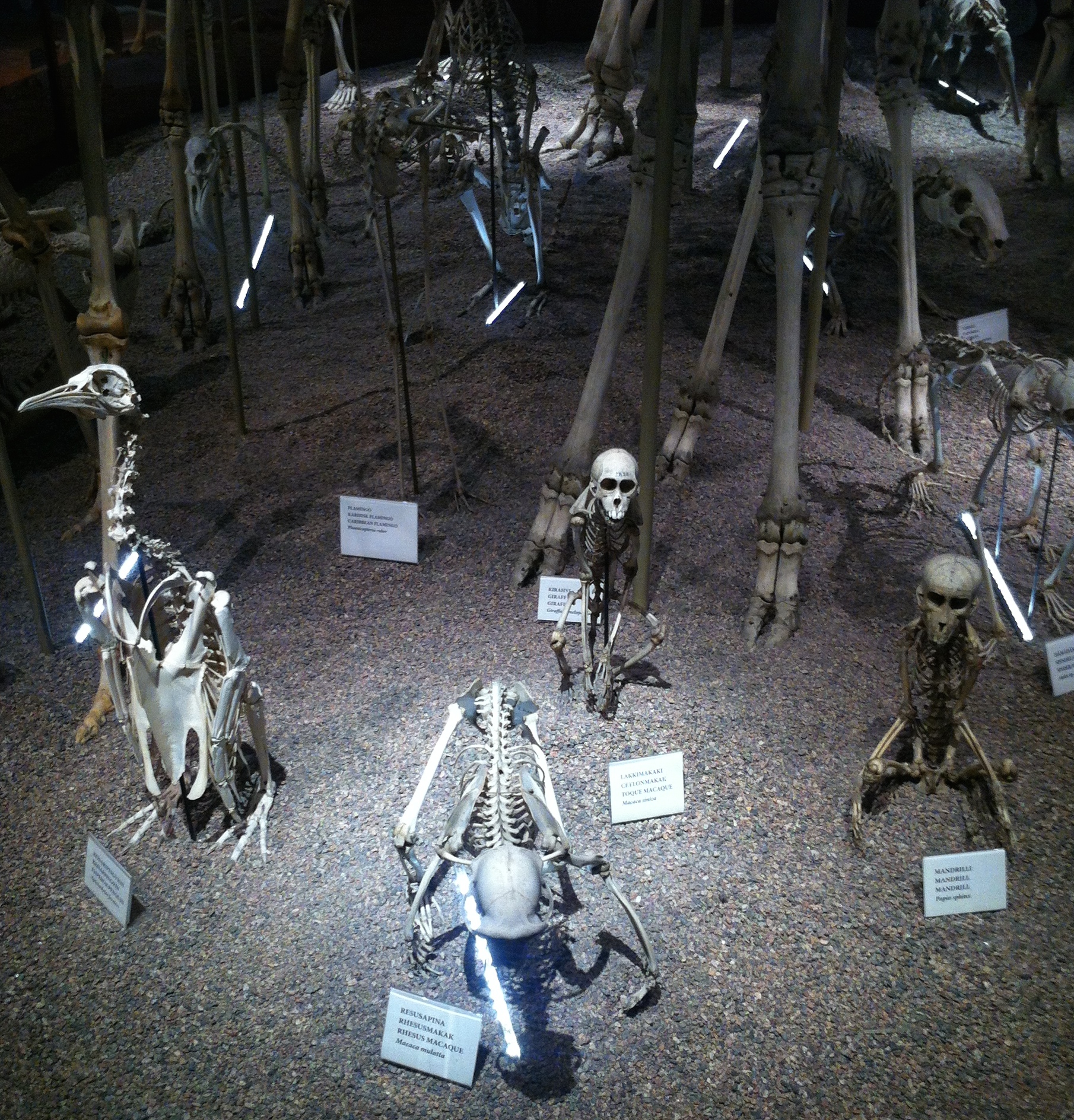
The ground floor holds The Story of Bones. I found the monkey skeletons quite creepy, until I opened a cupboard and found a human skeleton, curled up in a corner and that creeped me out even more.

IMG_1236

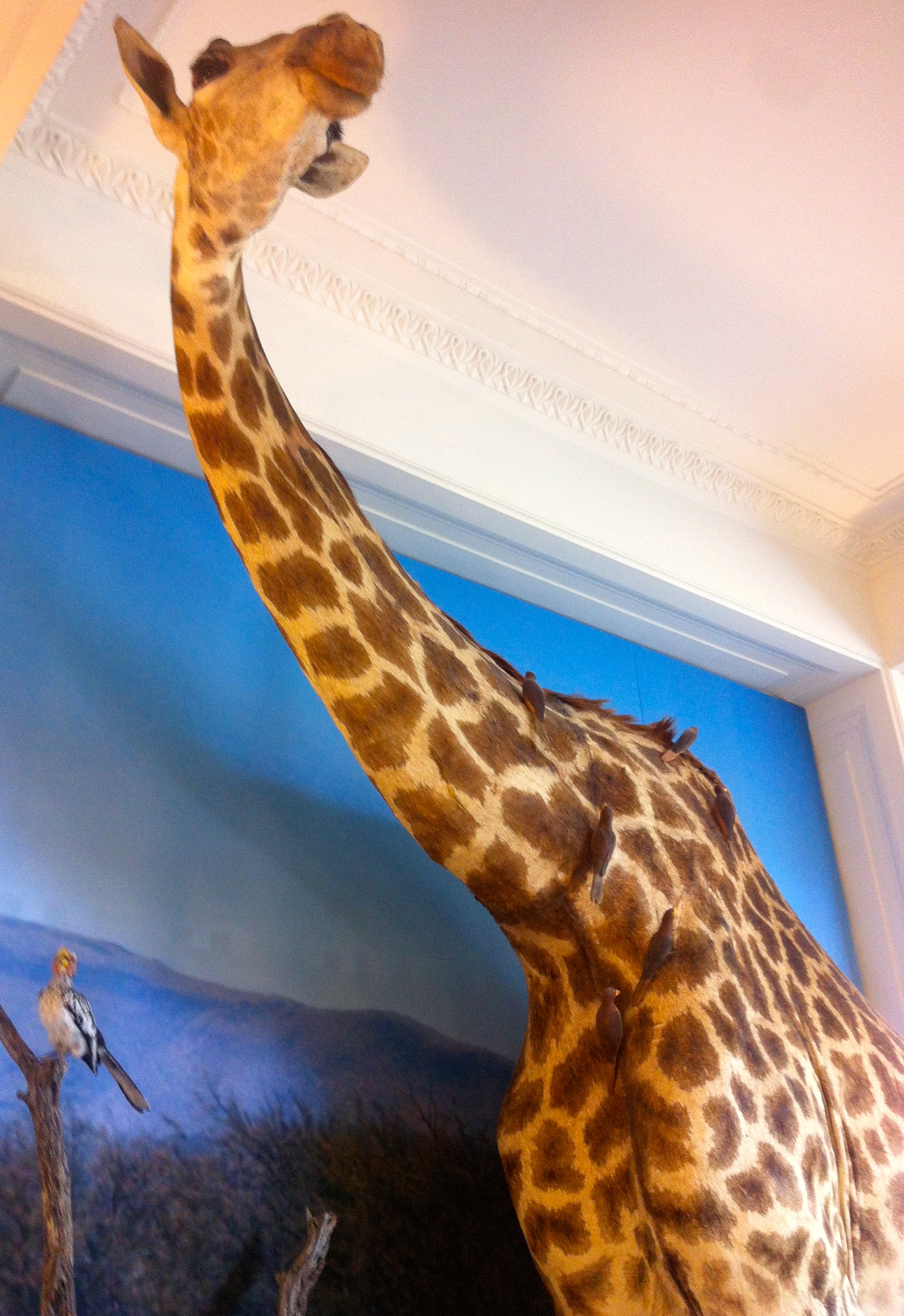
Moving upstairs to the World Nature display we were greeted by a giraffe and two red pandas. I felt a bit sad seeing a stuffed orangutan swinging from a tree, next to a mandrill baring his teeth to us from behind the glass.

IMG_1243

Seeing the Australian section was quite strange for me. There were stuffed animals that I’ve seen very much alive in the wild – echidna, small marsupials, sugar gliders and native birds of all descriptions.

IMG_1253

The African section was impressive with many natural scenes recreated, including a night room full of nocturnal creatures. It dawned on me that for many Finnish children this may be the only way they see some of these animals as they are not housed at Helsinki Zoo.

IMG_1256

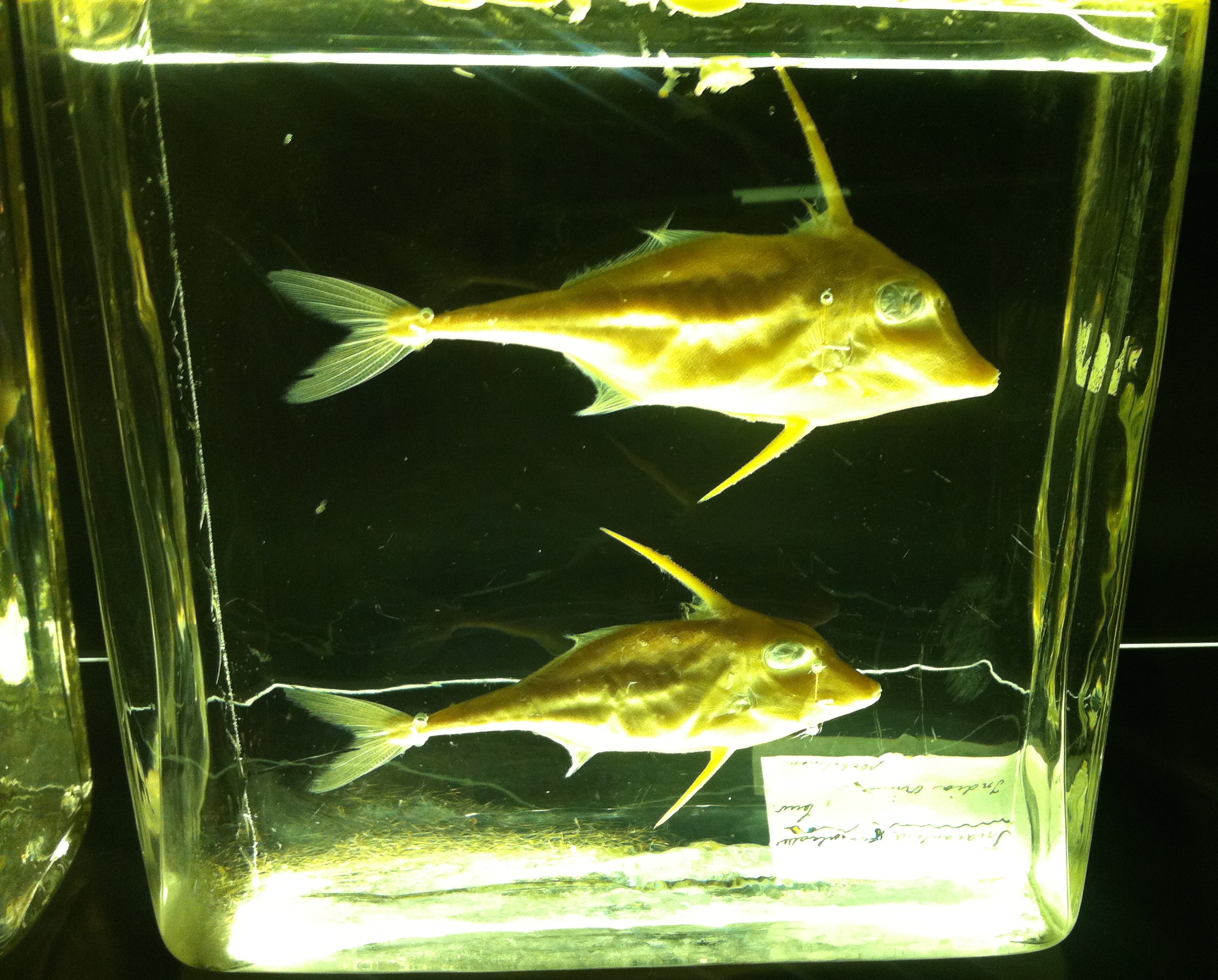
The Finnish Nature section was really impressive and moved through different seasons, showing arctic foxes and bears in the snow and rivers, feasting on salmon. There is of course a collection of specimens in jars and large shells from the world’s oceans.

IMG_1258

The top floor holds the History of Life exhibition which Miko loved as it was dominated by prowling dinosaurs. This level was quite interactive and the aquatic section was cleverly done with lights instead of water.

IMG_1259

To be honest, it was a fascinating experience but it left me feeling queasy. Miko loved it and I realised sadly that if we lose more animals to extinction this will be the only way many children get to see them.

So we really must be grateful for the research and preservation of these animals I suppose – otherwise we’re all stuffed aren’t we?

Finnish Museum of Natural History